Mothing has been on hold for a while, but here’s a short post. On checking the garden tree trunks, larvae of the Batwing Moth, Chelepteryx collesi were found on four species of eucalypt, E. punctata, E. leucoxylon, E. tereticornis ssp. mediana, and E. parramattensis, so they obviously have a wide range of host trees. Normally, during the day they camp in a cleft in the bark, so it was unusual to find one moving around on the yellow gum in mid afternoon, perhaps it was trying to find a better retreat on the smooth-barked tree.

Two were together on the parramattensis,

On the punctata.

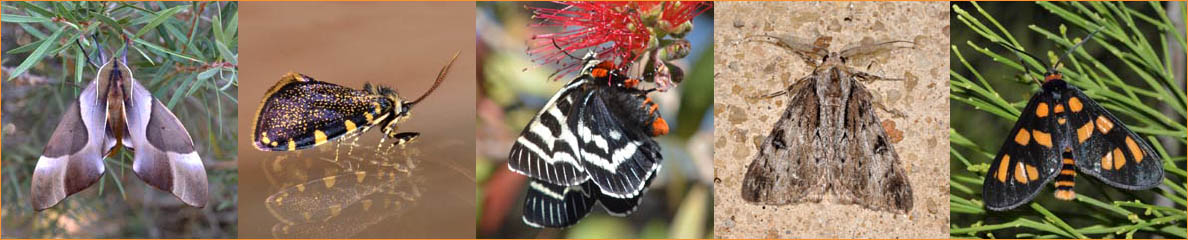
In fourteen years of mothing in a variety of habitat types, the Beautiful Leaf Moth, Gastrophora henricaria has never come in to the light. According to Moths of Victoria Volume Four, it is widespread in wetter areas of the state, but is rarely encountered. Then, a week ago, a sharp-eyed friend wandering around his bush block found this nice male and snapped it with his phone, good one!


