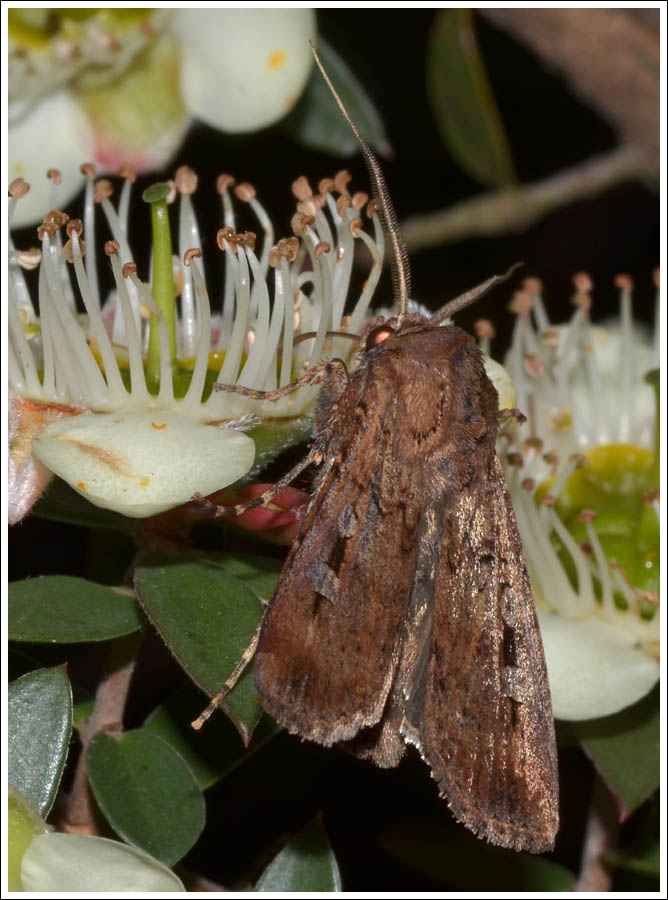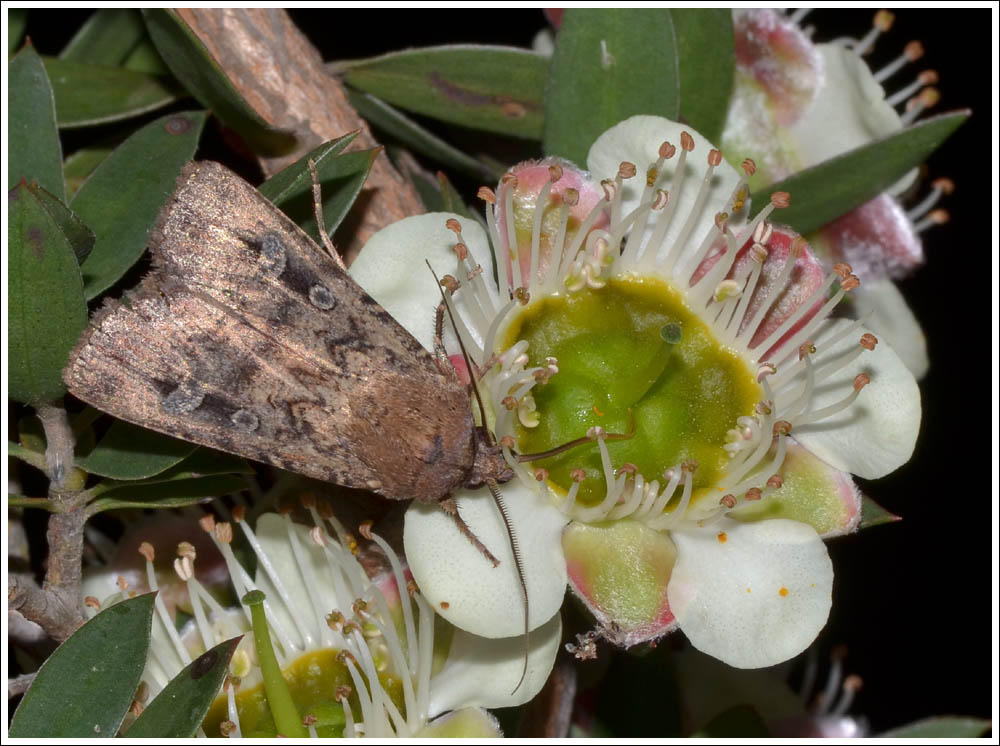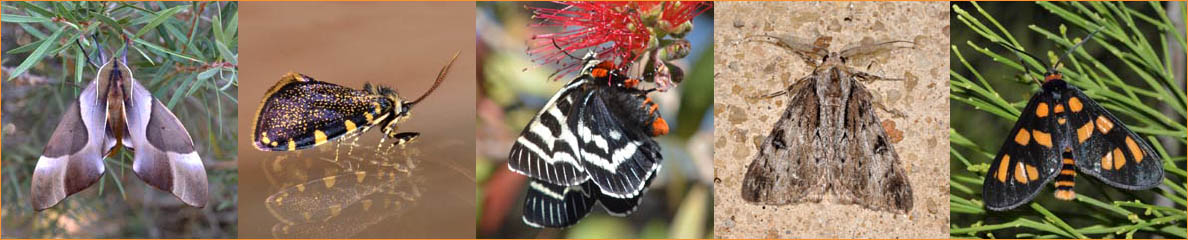
The first warm night of a cool spring saw the light shining in the Glenmaggie bush block, when moths and a bewildering assortment of other insects responded.
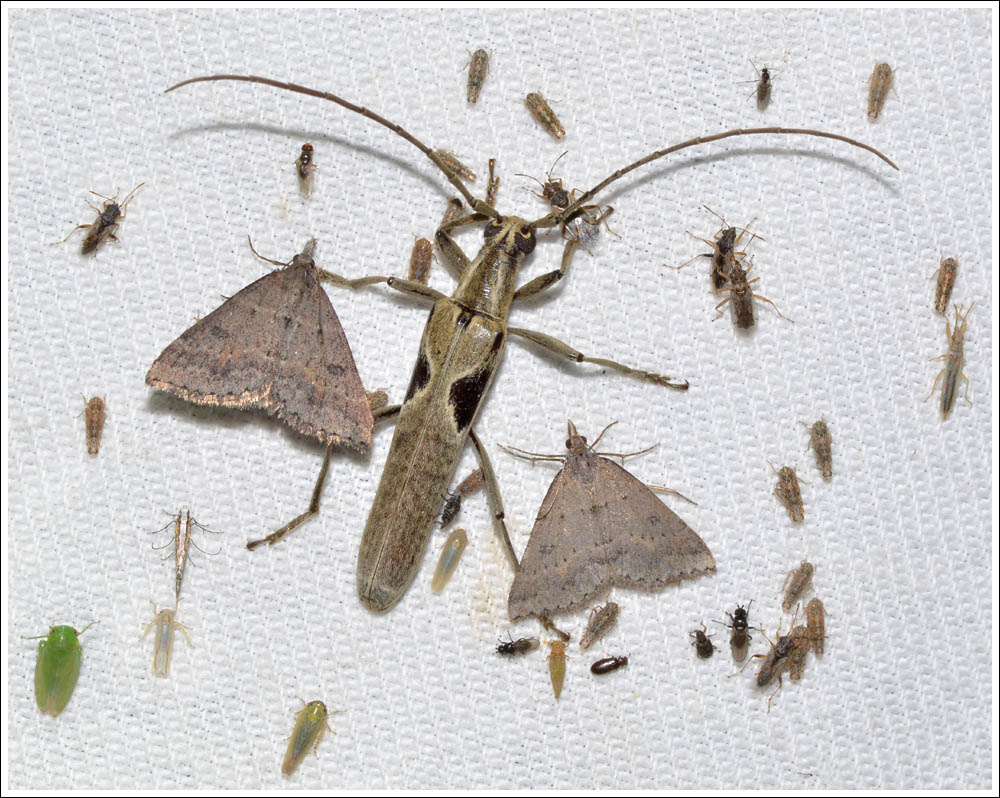
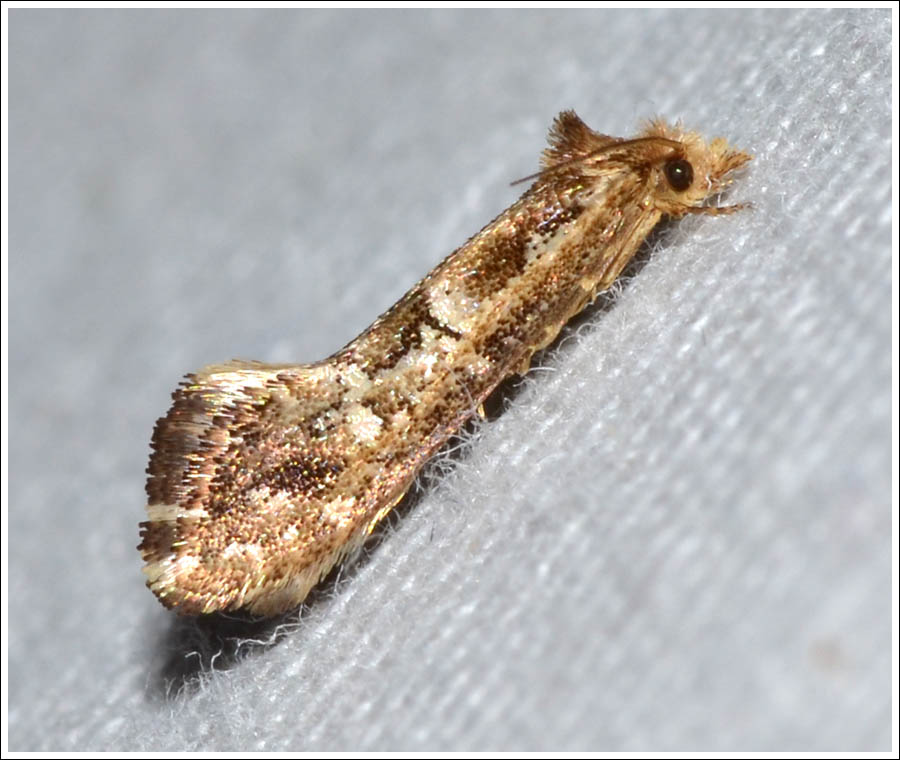
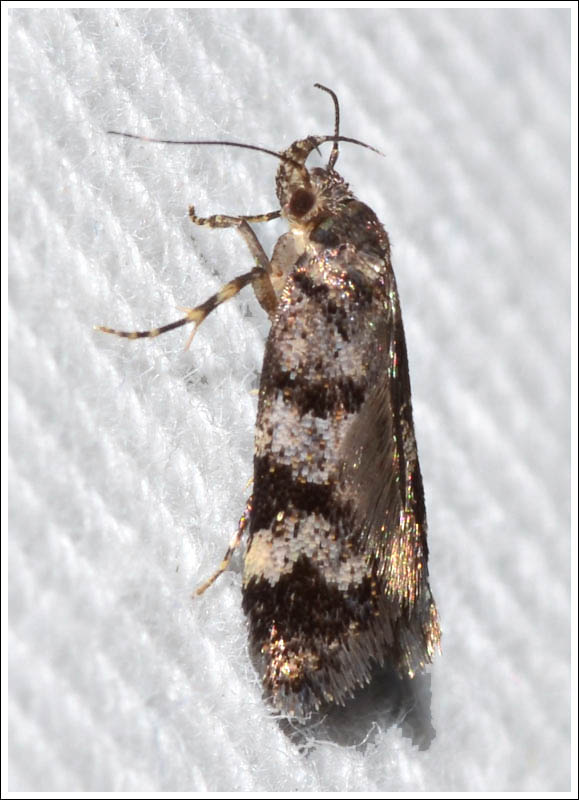
The first moth to the sheet was small, a member of the Tineidae, Moerarchis inconcisella.
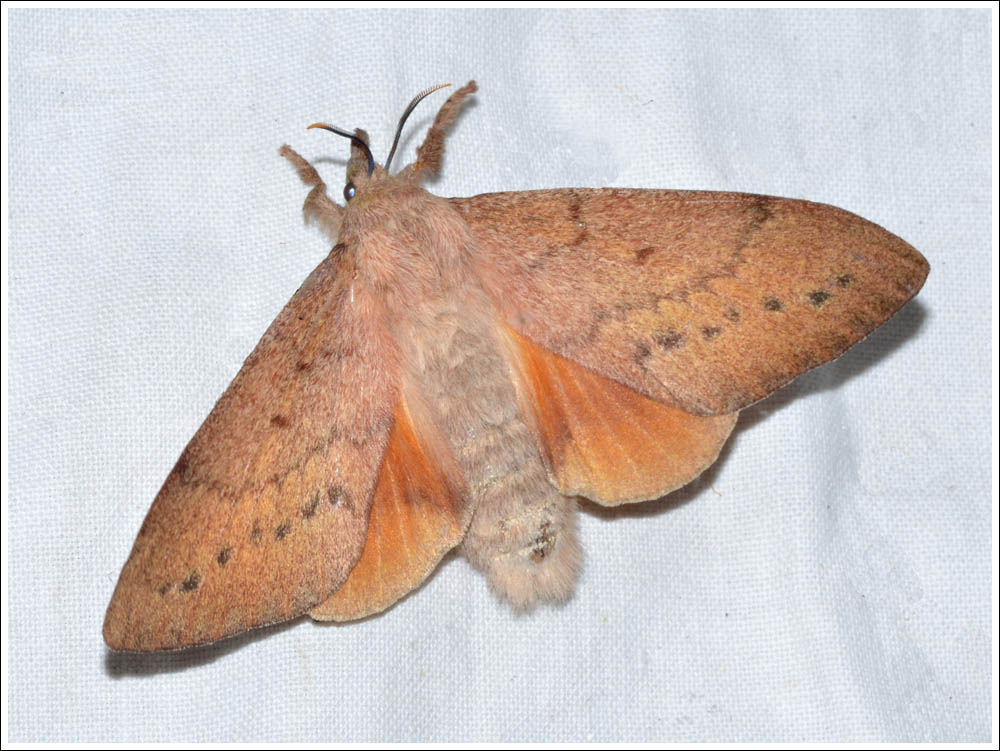
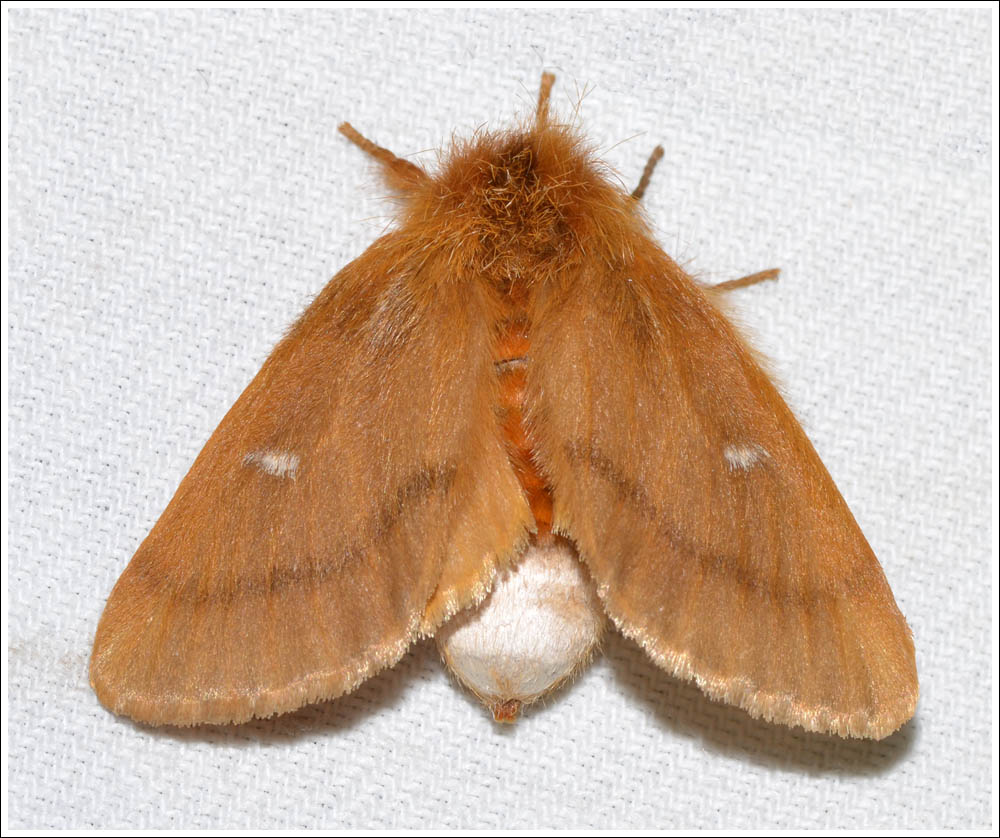
Larger moths were soon on the scene, the Common Gum Snout Moth, Entometer fervens, female, Lasiocampinae.
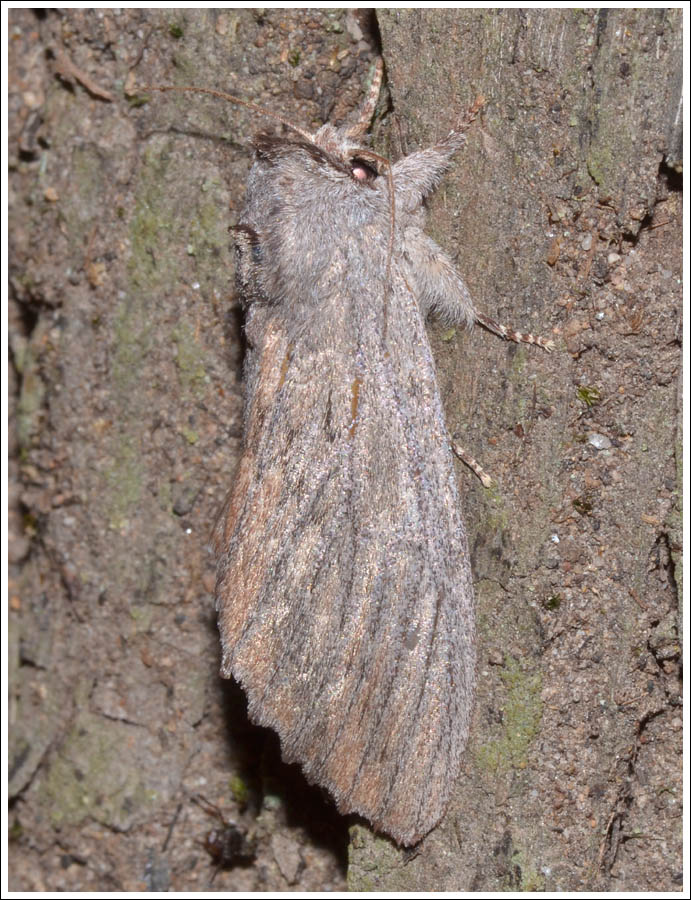
A Streaked Notodontid, Destolmia lineata, Notodontinae, was photographed on the sheet and also on a natural background.
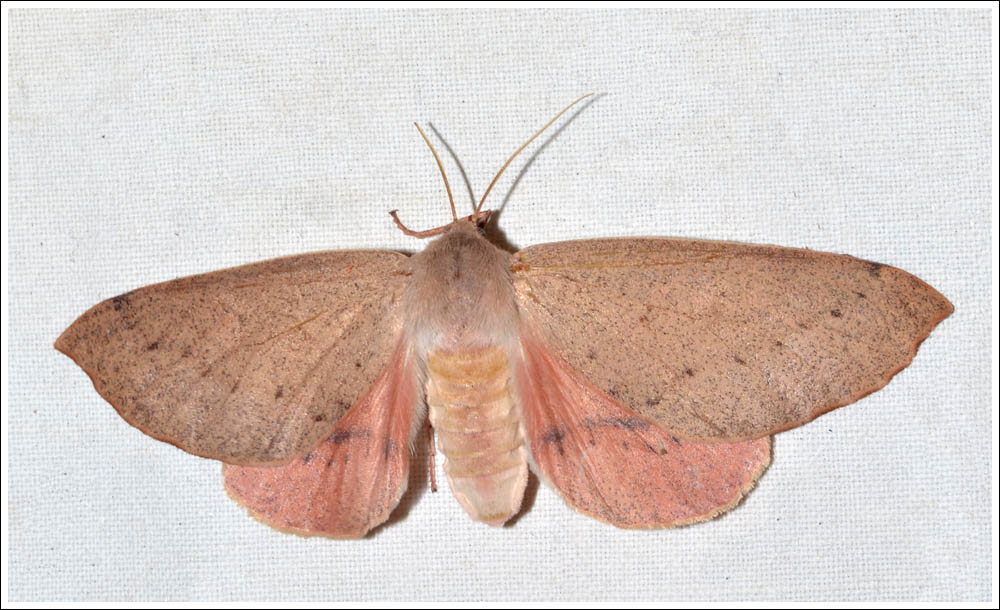
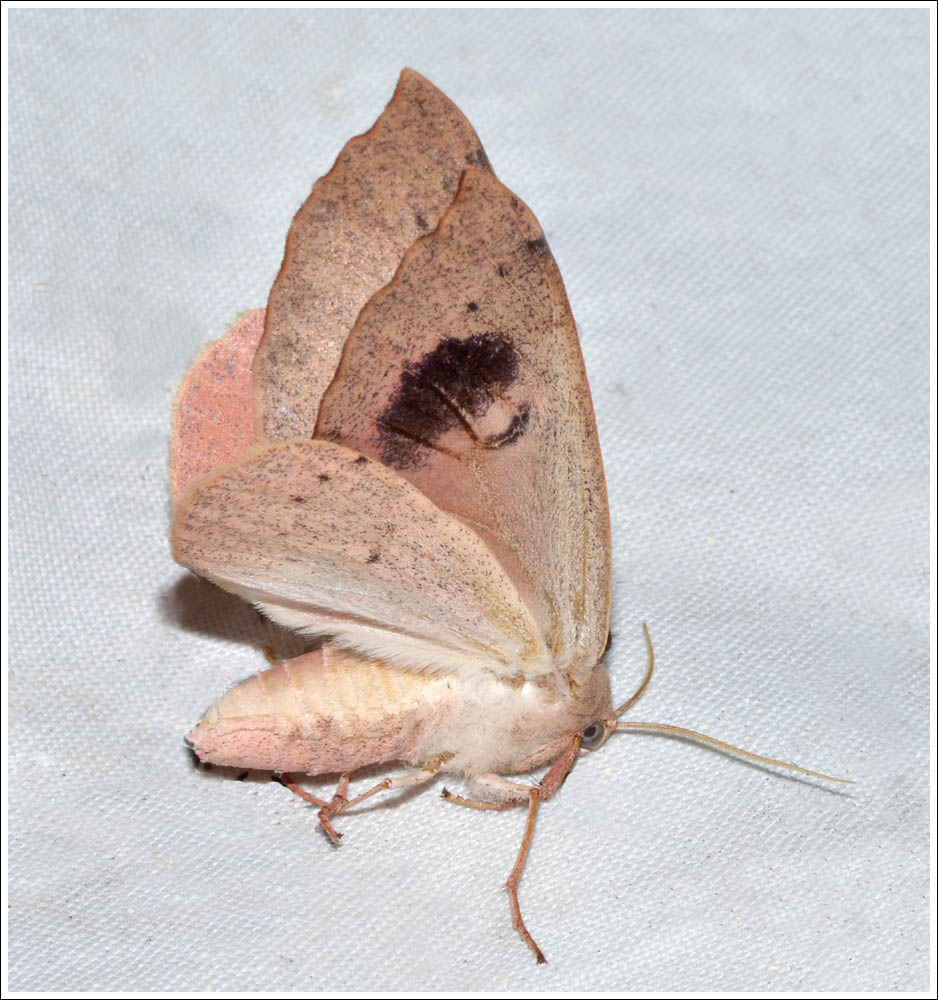
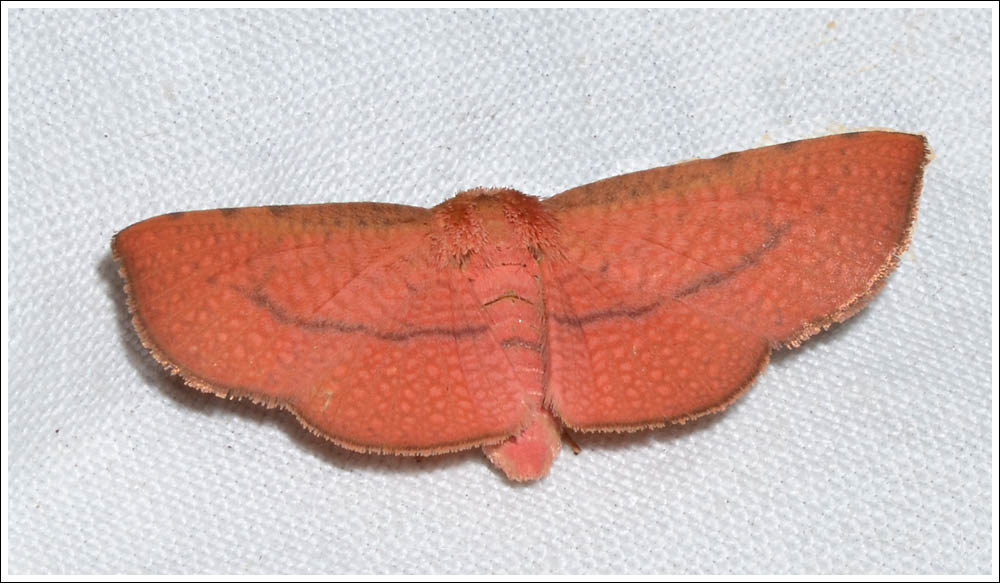
Geometrids came to be well represented, the Pink Arhodia, Arhodia lasiocamparia, female, Oenochrominae.
Chlorocoma MOV Sp. (3), male, Geometrinae.
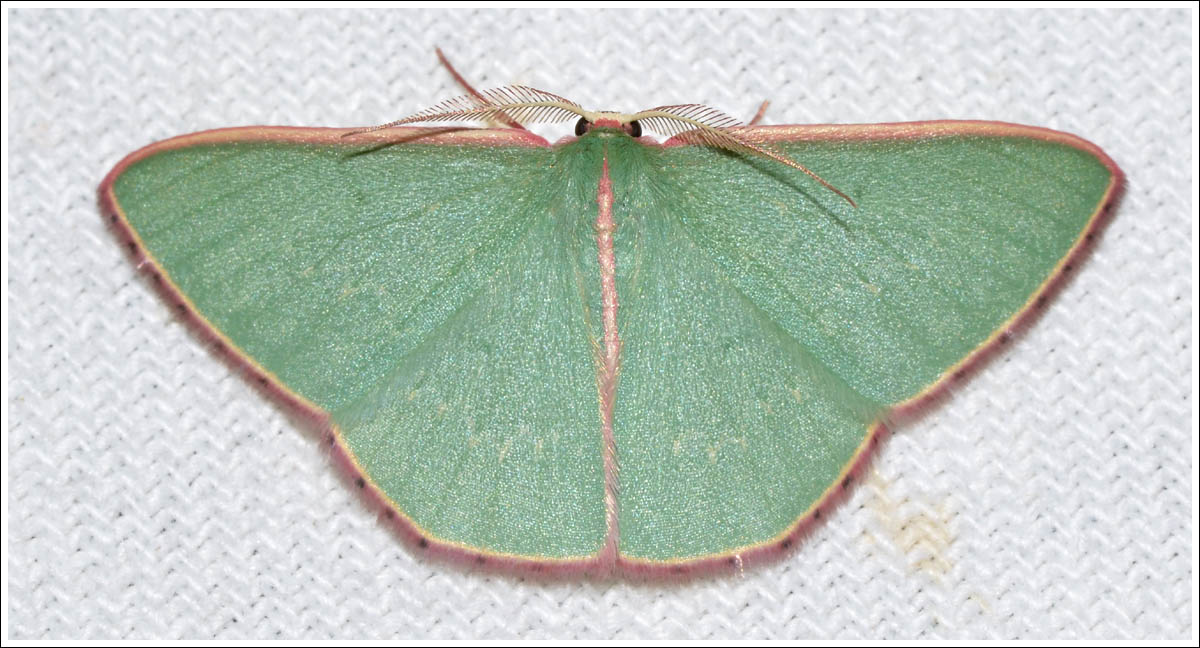
Also in the Geometrinae, a pristine female Tea-tree Emerald, Aelochroma metarhodata.
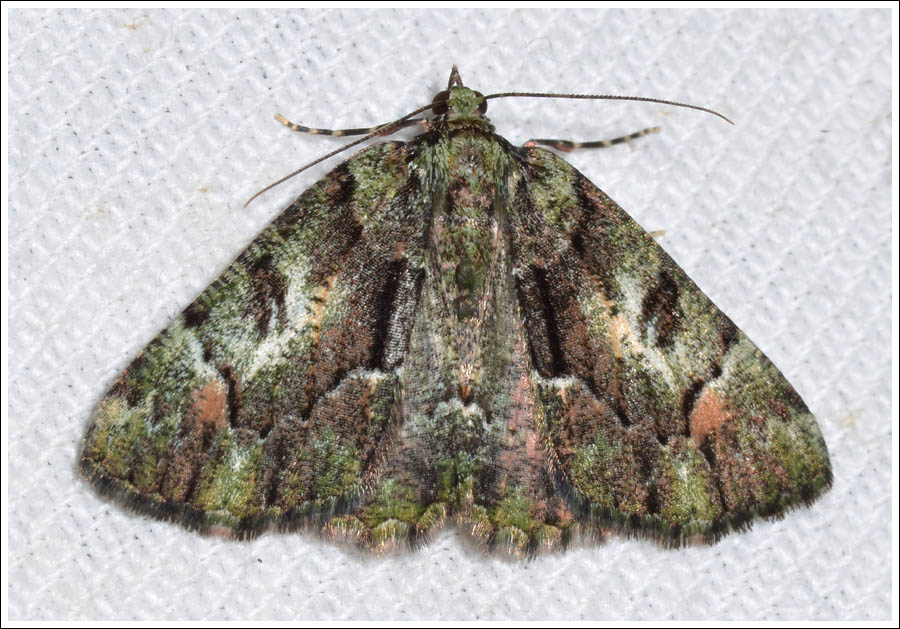
Cleora MOV Sp. (2), male, Boarmiinae.
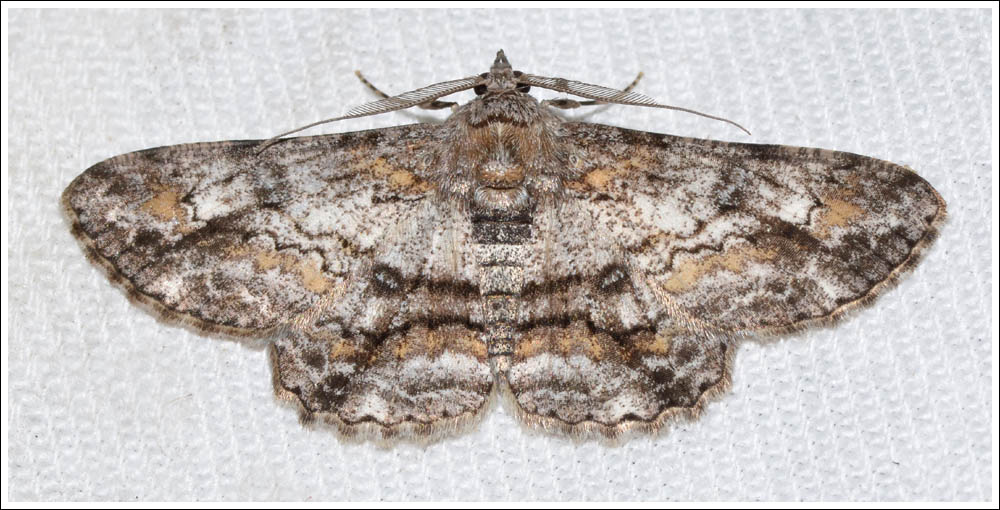
Female.
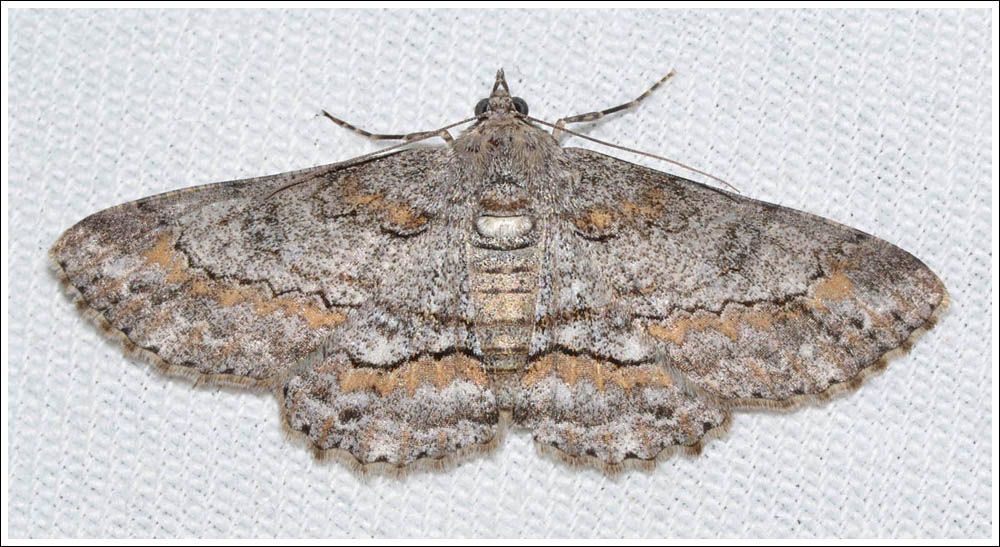
An attractive Praxis marmarinopa, the Lepidoptera Barcode of Life has it in the Catocalinae sub-family of the Noctuidae.
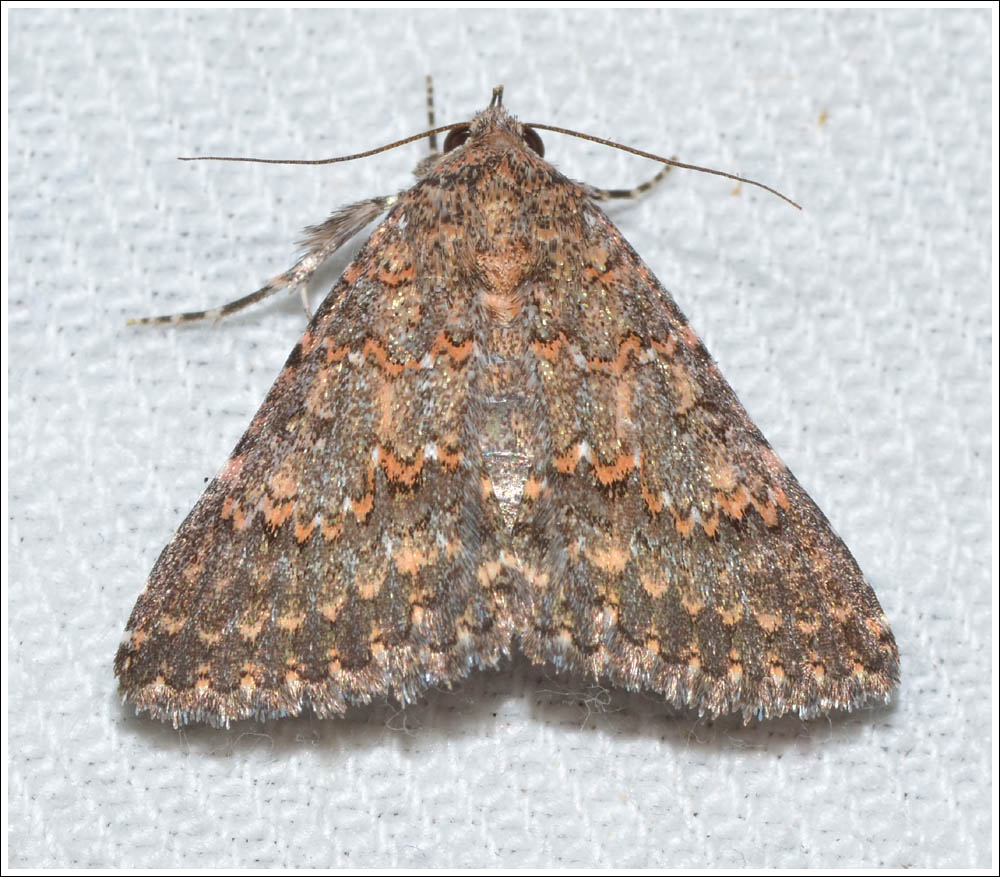
Another fresh and strongly marked individual, a female Mistletoe Browntail Moth, Nygmia edwardsii, Lymantriidae. MOV 2 Second Edition notes “This moth is quite variable and probably represents a complex of species.”
Larvae of the Picture-winged Leaf Moth feed on foliage of plants in the Myrtacaea, including eucalypts, this adult is a particularly deeply coloured example. Aglaopus pyrrhata, Thyrididae.
Beautiful moths come in small sizes too, like this 14 mm Oecophorid which must for the moment remain anonymous.
All moths photographed on the night can be seen here.
References and further reading,
Moths of Victoria Vols. 1,2,4.
Australian Moths.
Click images to enlarge.