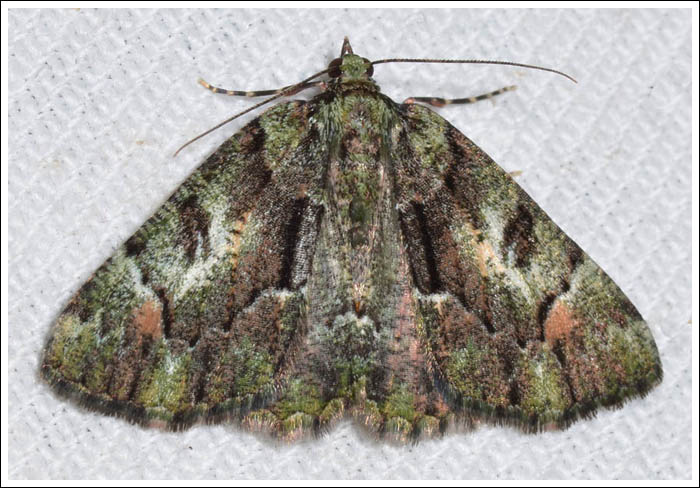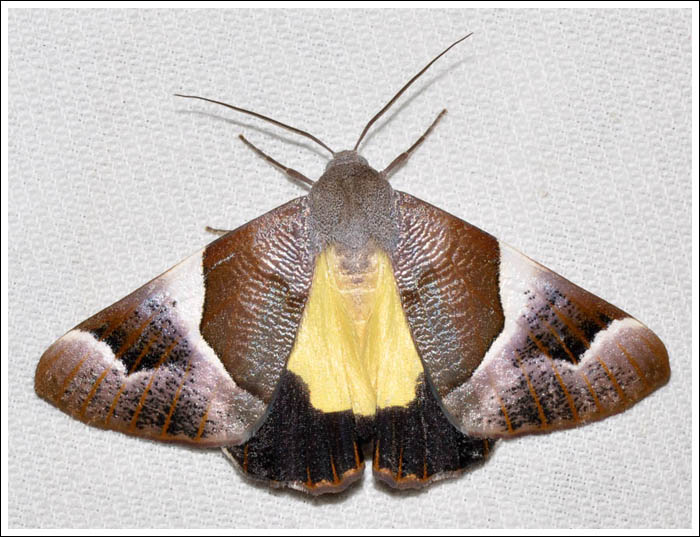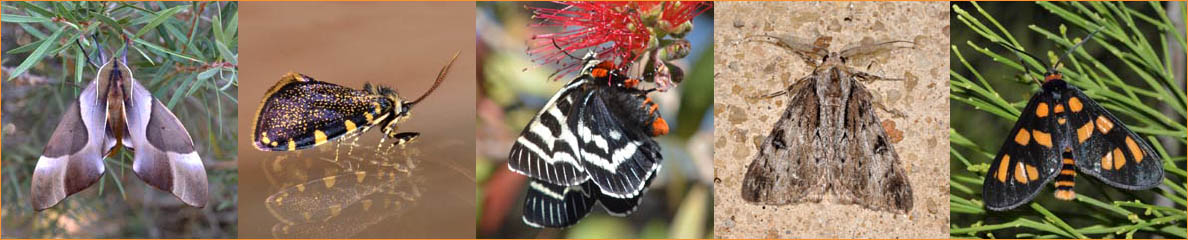
The first session for this spring was held at home, nights have been remaining cool but after a warm day the temperature was mild well into the evening. As has been mentioned, moths last season, in common with much insect life were down in numbers and species in this locality, it is to be hoped there will be a resurgence in the months ahead. Expectations were not high on this occasion due to the unfavourable weather conditions up until now, but as it turned out signs were hopeful with a reasonable selection of the more common species coming into the light. One of the first in was an Eye Spot Anthelid, Anthela ocellata that missed being photographed, but here is one from the archives.
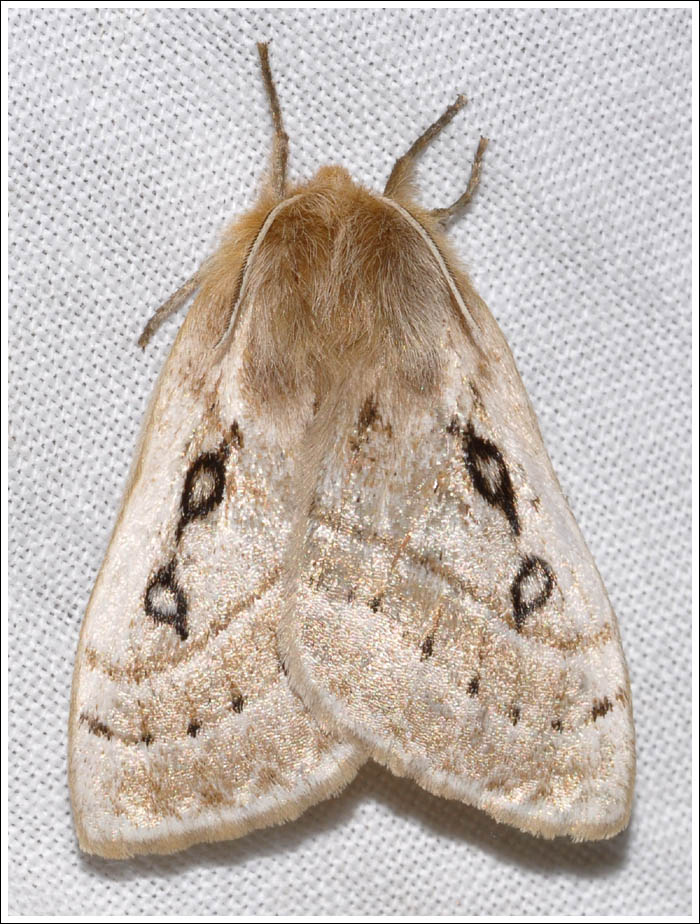
The most common Noctuid to the light was the Native Budworm, Helicoverpa punctigera, but a shaggy legged Ectopatria horologa was much more photogenic.

Geometrids were sparse, two Black Geometrids, Melanodes anthracitaria (Nacophorini) arrived, this was a not uncommon white-patched example.

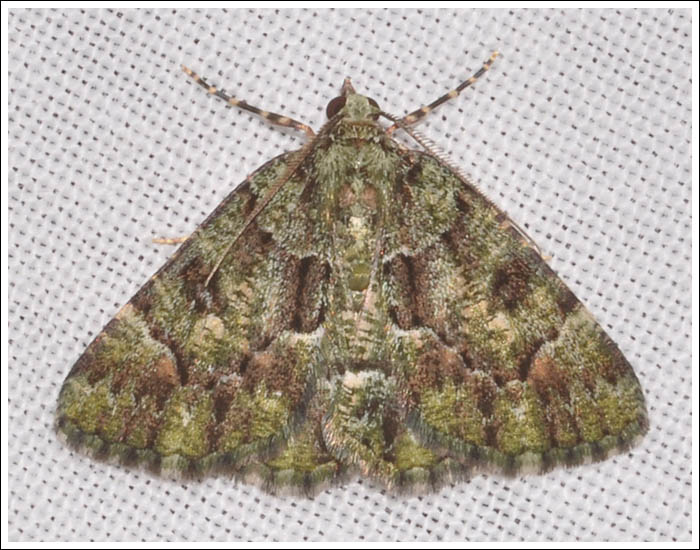
This smaller Geometrid, Microdes villosata, (Larentiinae) is a less common moth to the light.

The Red-lined Geometrid, Crypsiphona occultaria, (Geometrinae) gets its common name from the under wing pattern not visible here.

The Crimson Tiger Moth, Spilosoma curvata (Arctiinae) needs to fly for one to see the red colour.

A hint may be seen in this underneath view.

Another common moth from the garden population, the Two-coloured Notodontid, Sorama bicolor. In common with many of the moths in this post the larvae feed on eucalypt foliage.

Three smaller moths to conclude, Hellula hydralis, (Crambidae) a pest on brassicas.

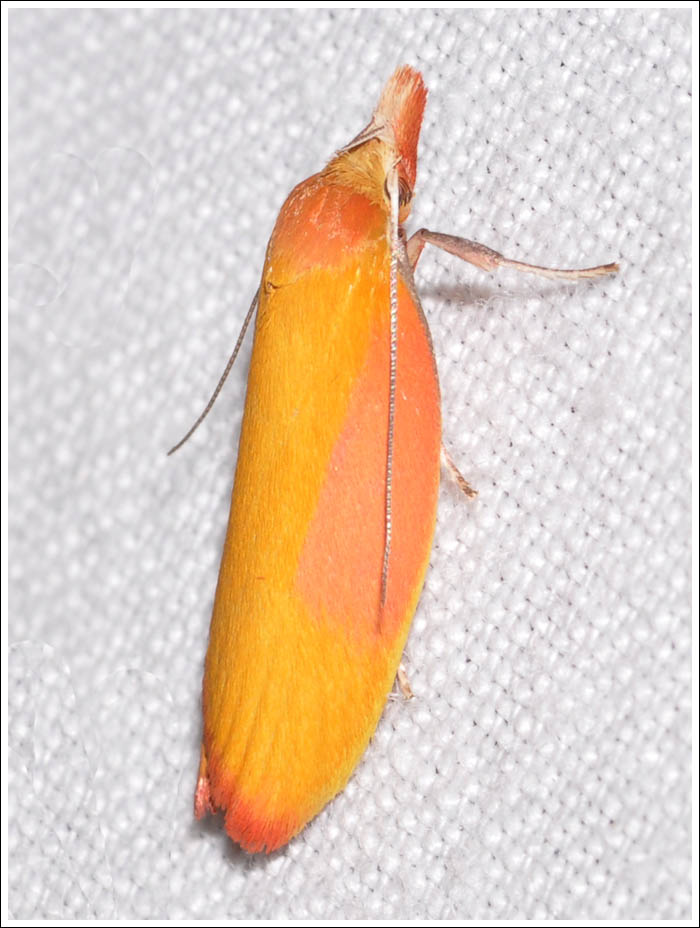
Two from the Wingia group of the Oecophoridae, Euchaetis rhizobola.
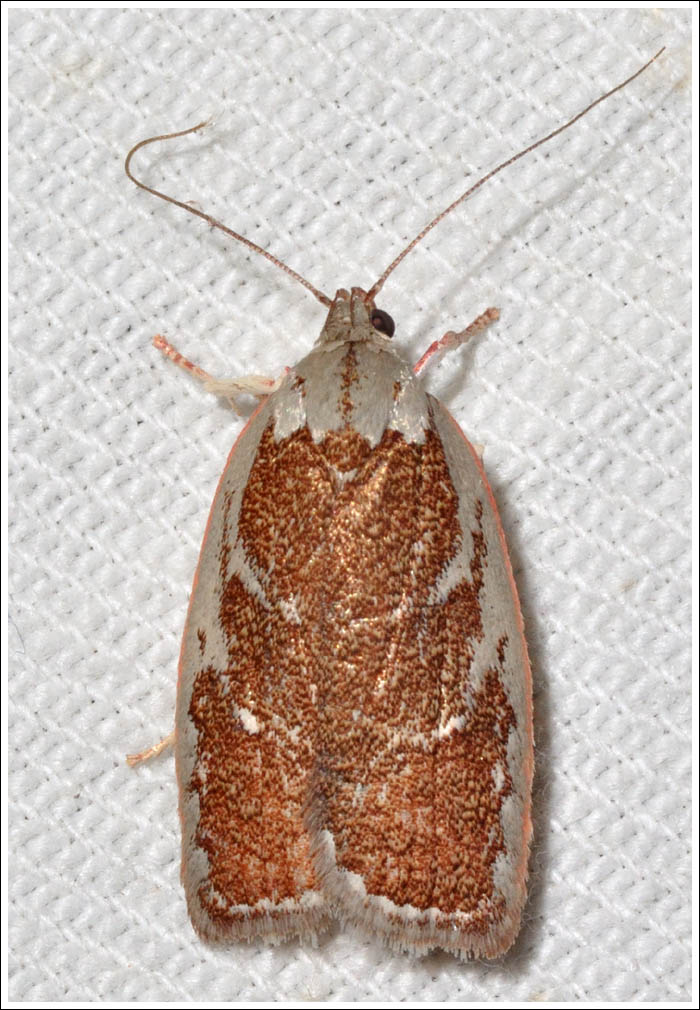
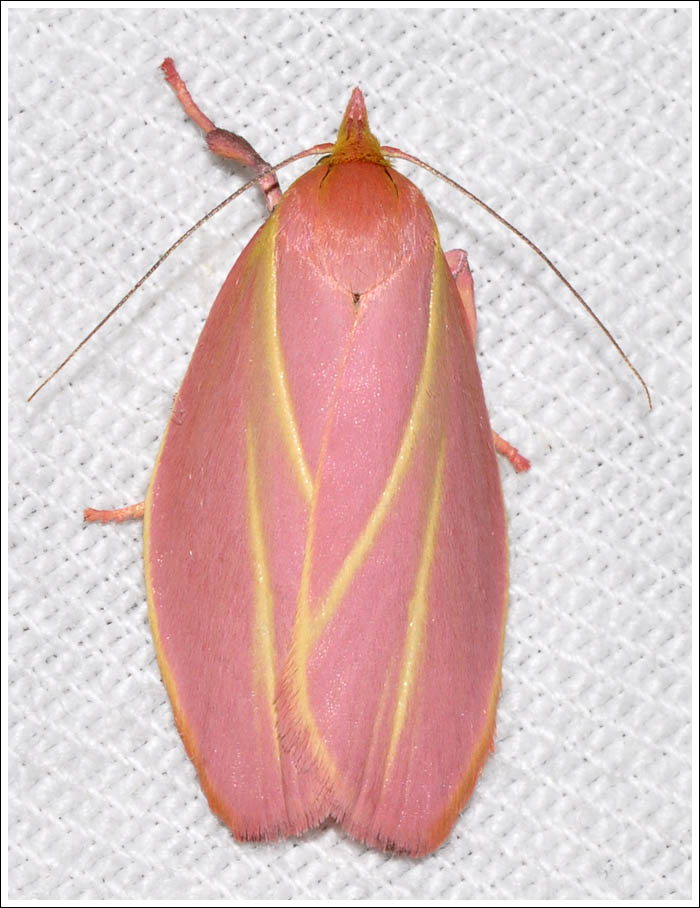
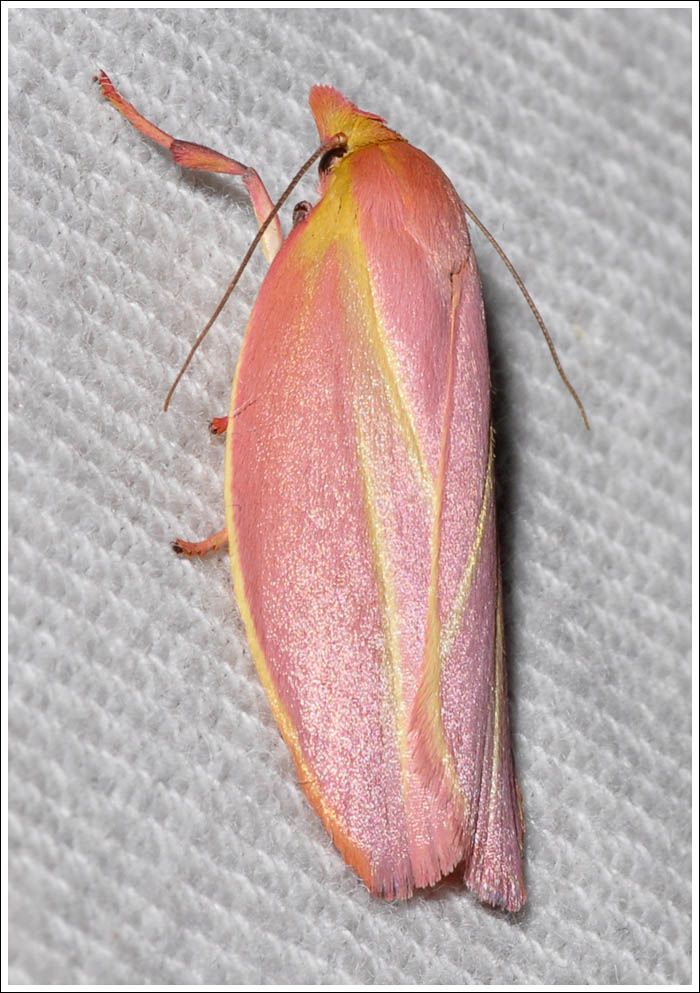
And Ocystola paulinella.
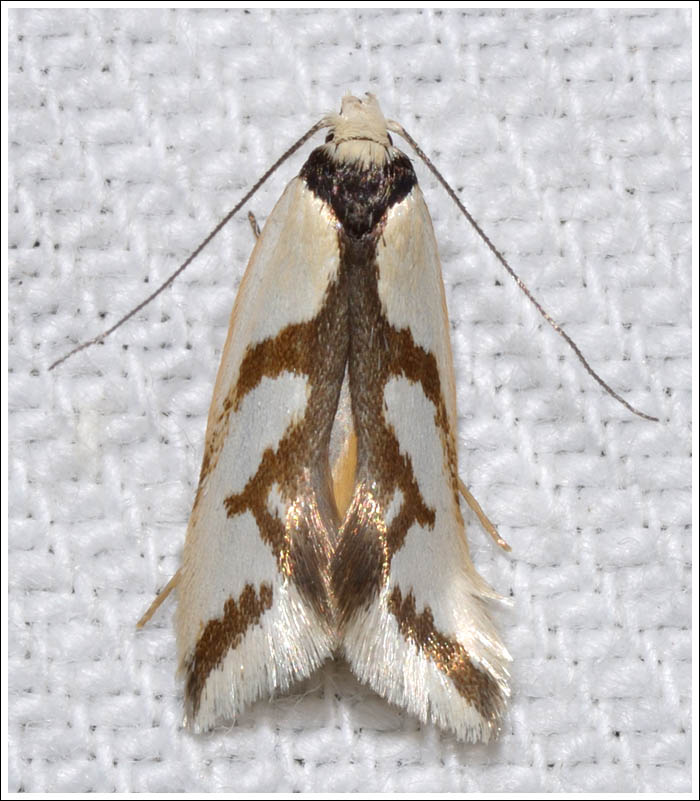
Some images will enlarge.