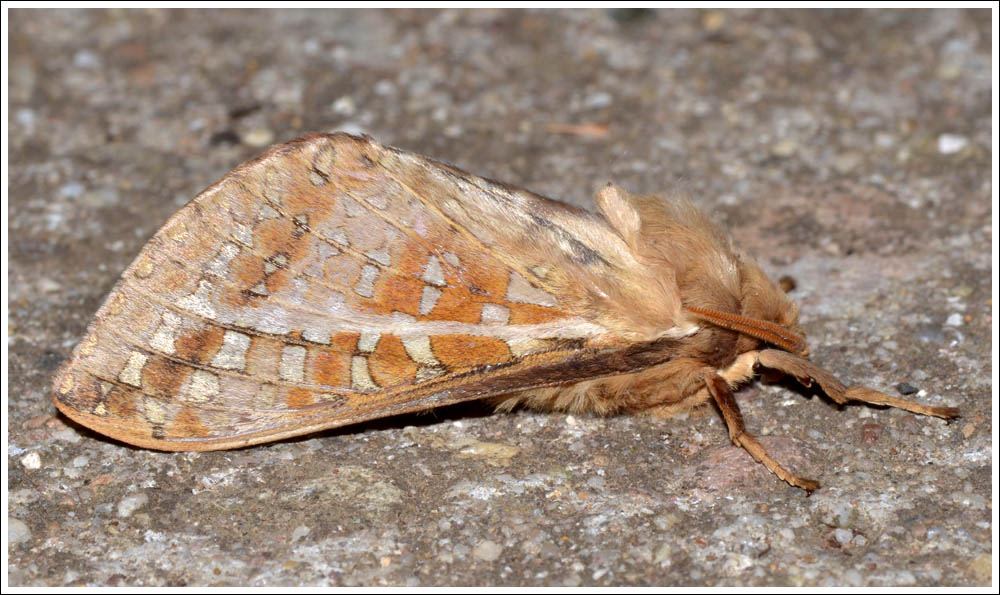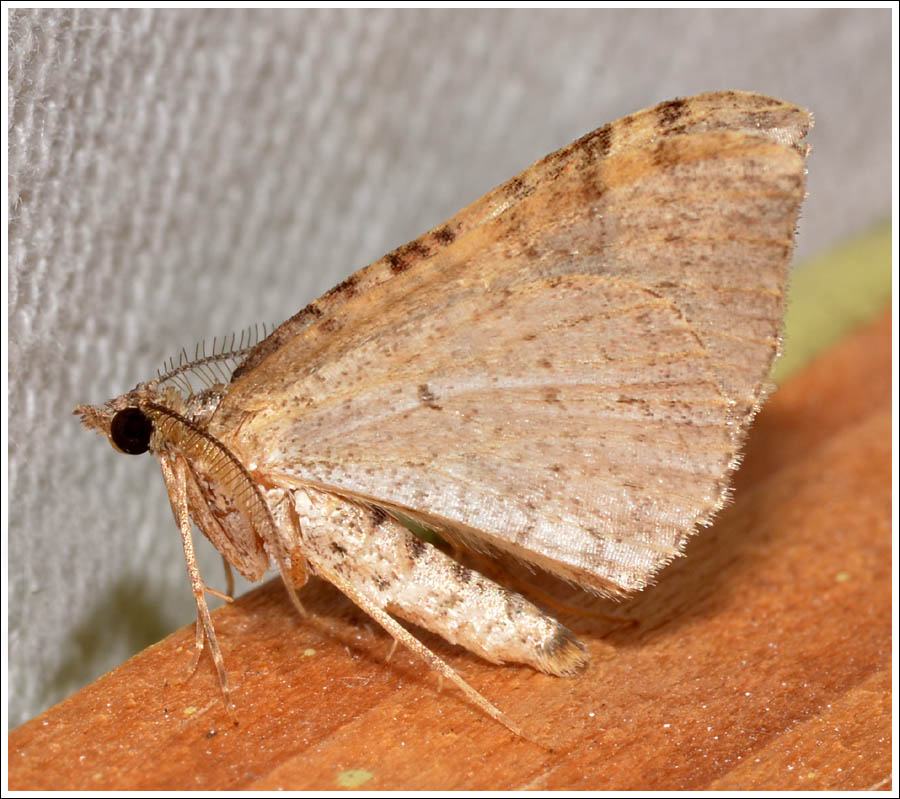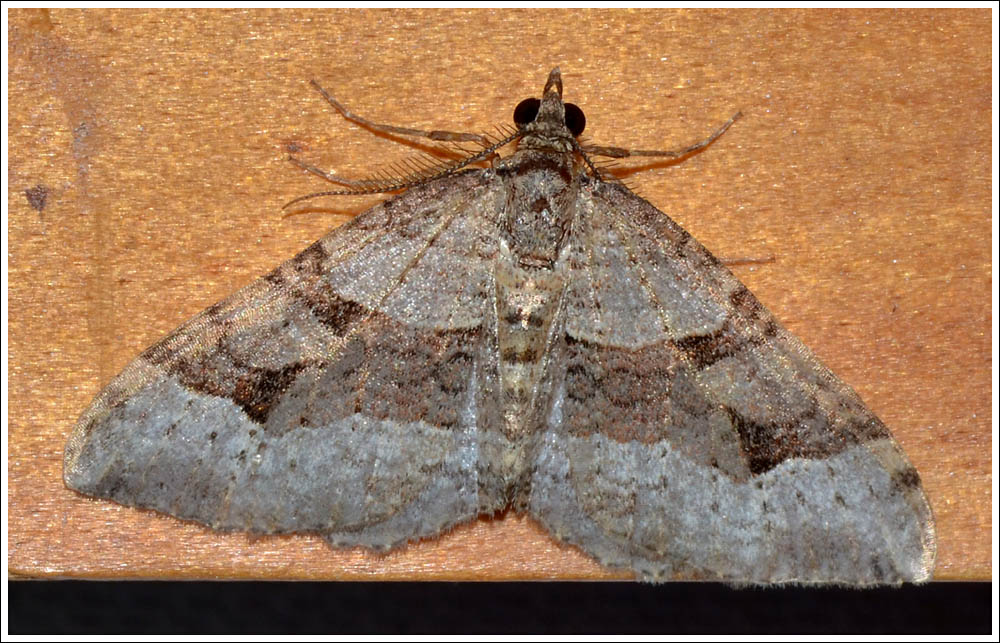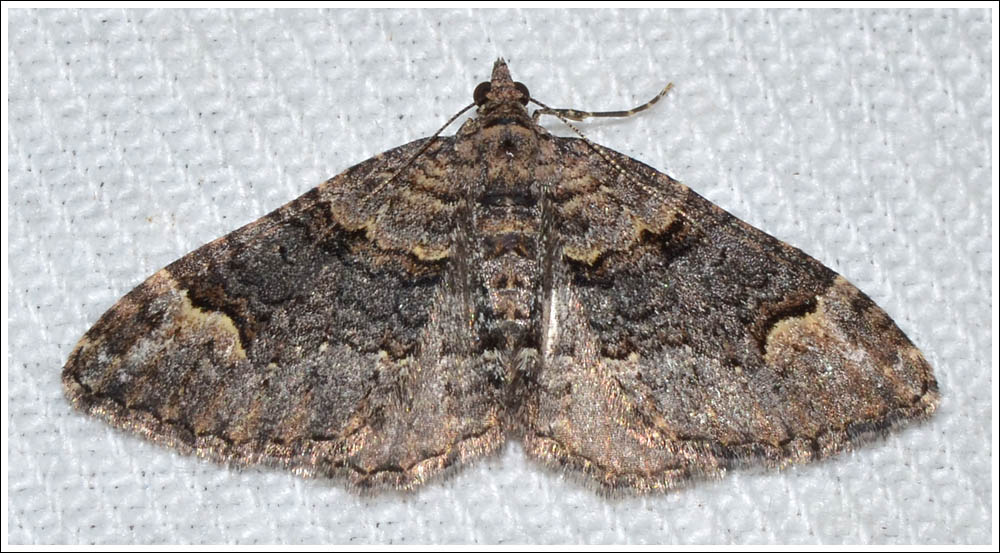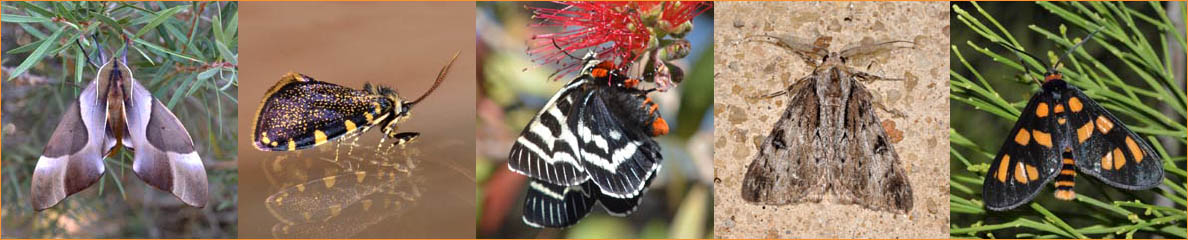
The low temperatures of winter certainly suppress moth activity, but it is still worth shining the light for the species that are on the wing in the colder months. Gastrinodes argoplaca, (Boarmiinae) is much more plentiful in the warmer months, but can still be seen at the present time. Male and female came to the light recently. All moths in these posts are from the garden which has many eucalypts and a varied collection of native shrubs.
The Cryptic Bark Moth, male.

Female.

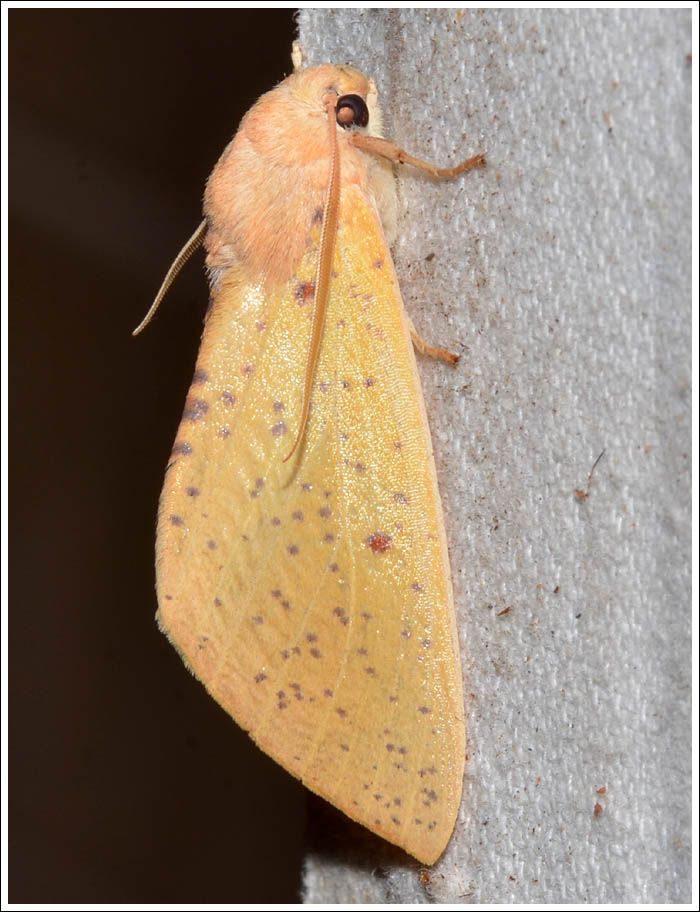
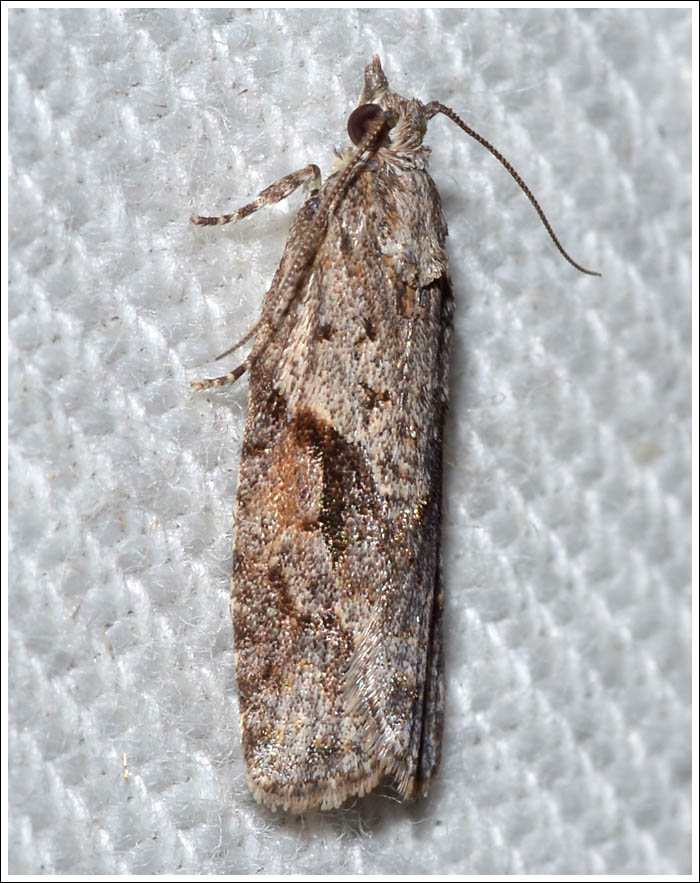
A welcome sight at the light was an old friend, Fisera belidearia, (Nacophorini). A female came in on one occasion followed by two males a few nights later. The winter months are their main flight times.
The Two-toned Crest-moth, female.


Males.


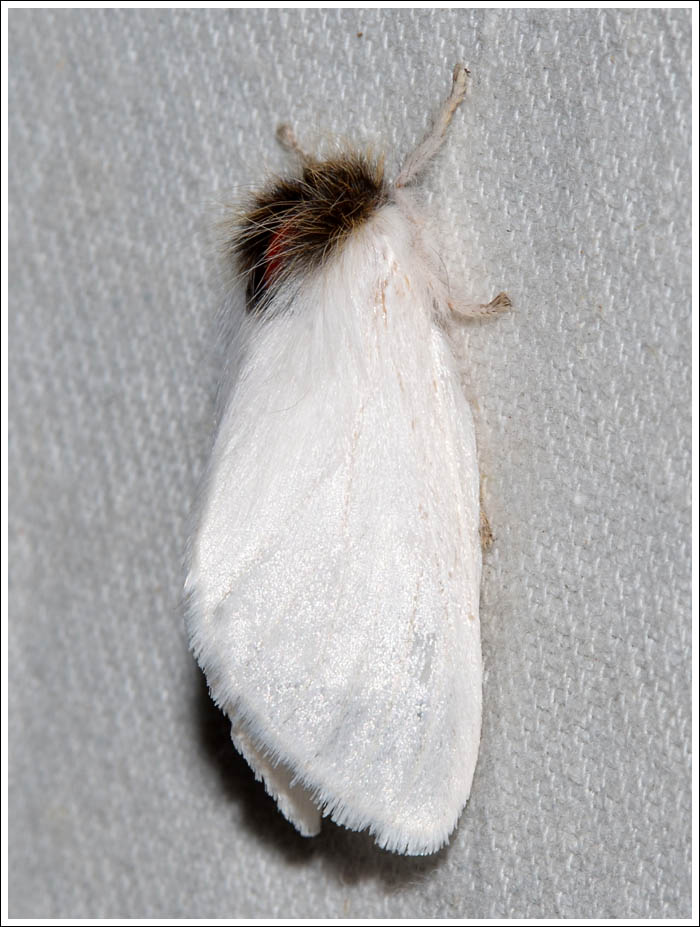
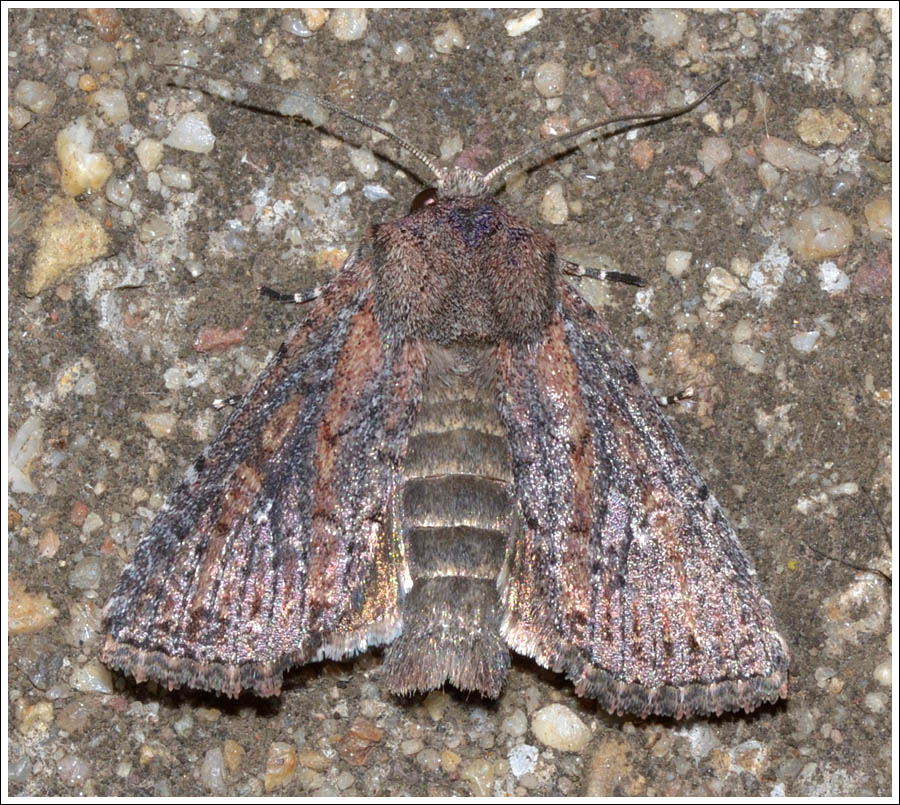
Sorama bicolor, (Notodontidae) also flies for the whole year and can appear in winter. This individual decided to walk up the sheet with its wings spread a little, giving a different view to the usual folded wing pose.
The Two-coloured Notodontid, male.

To be continued, click to enlarge.