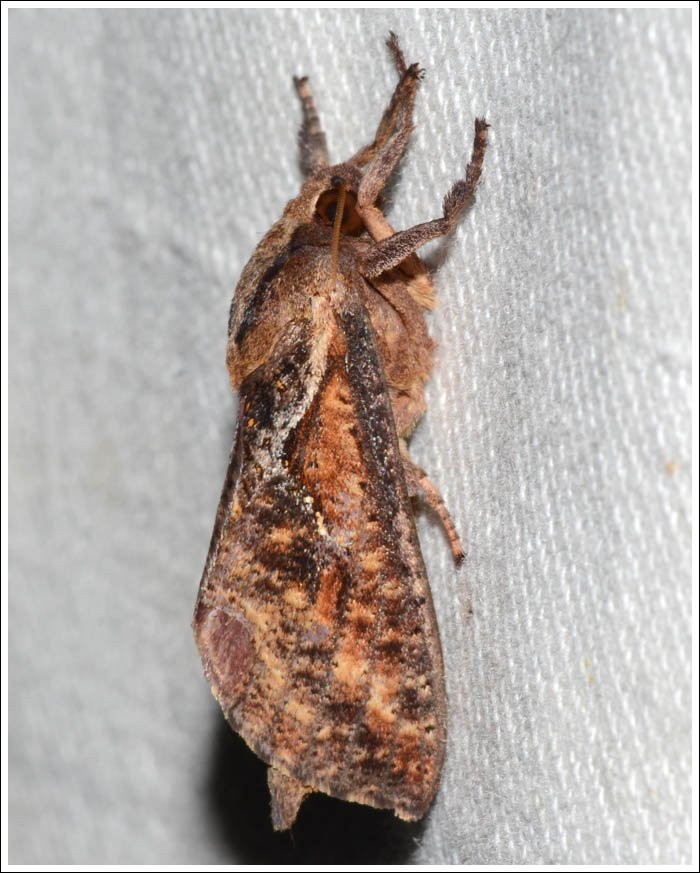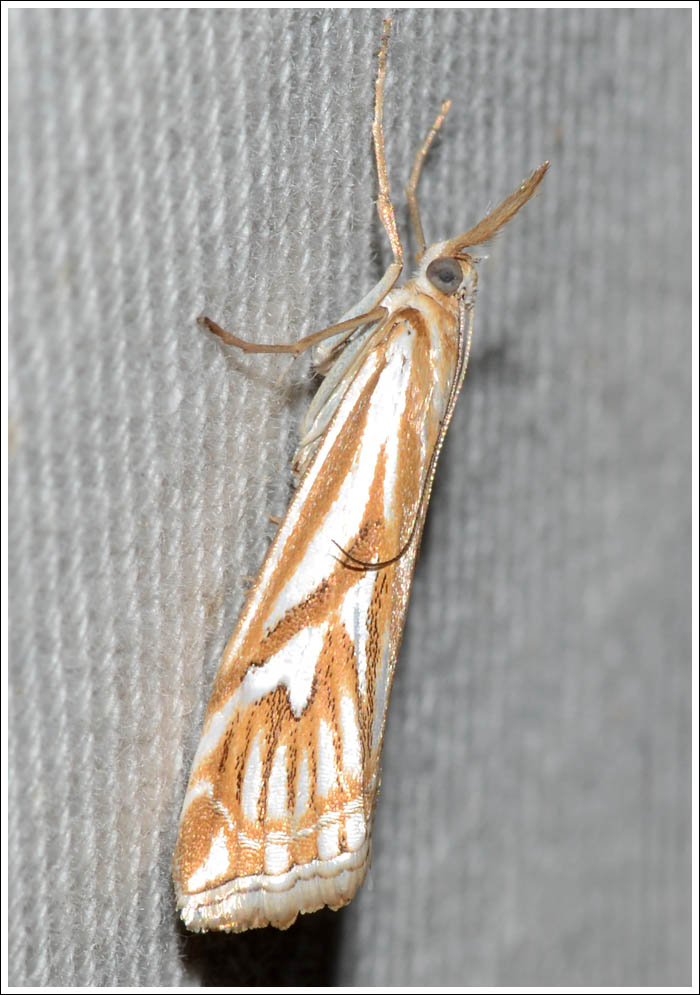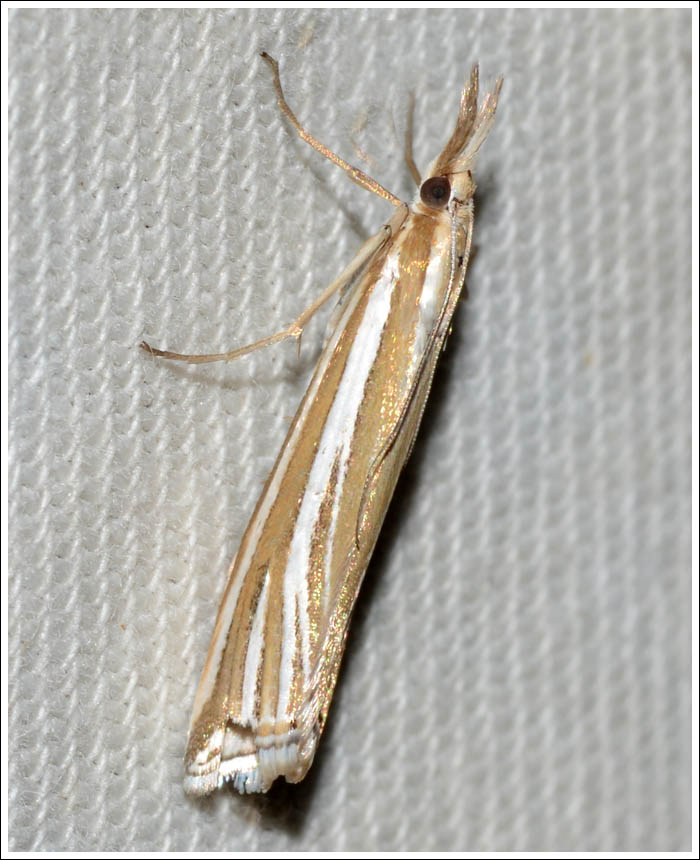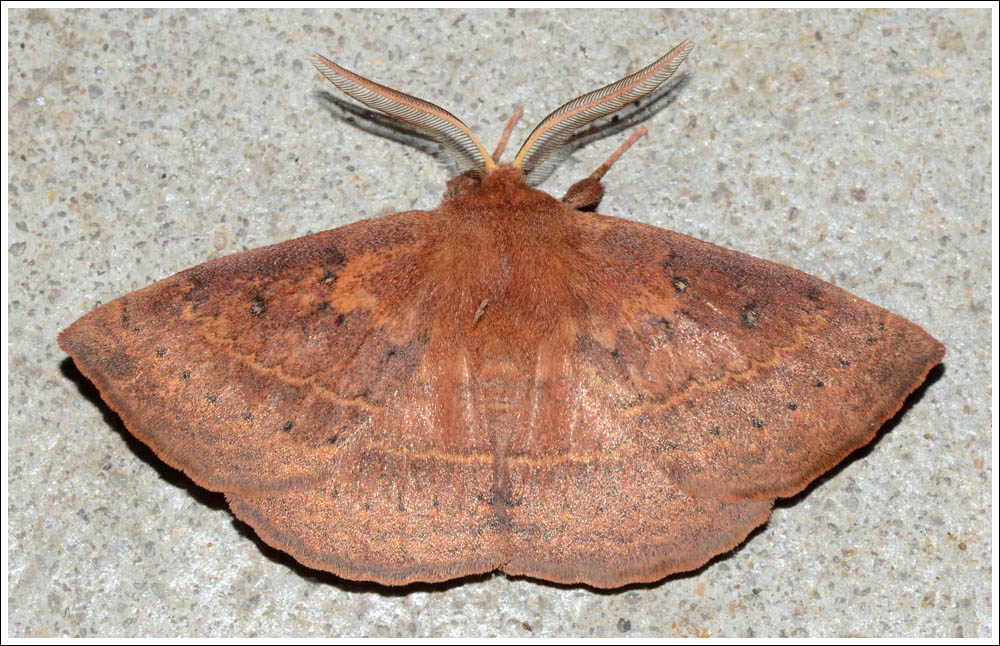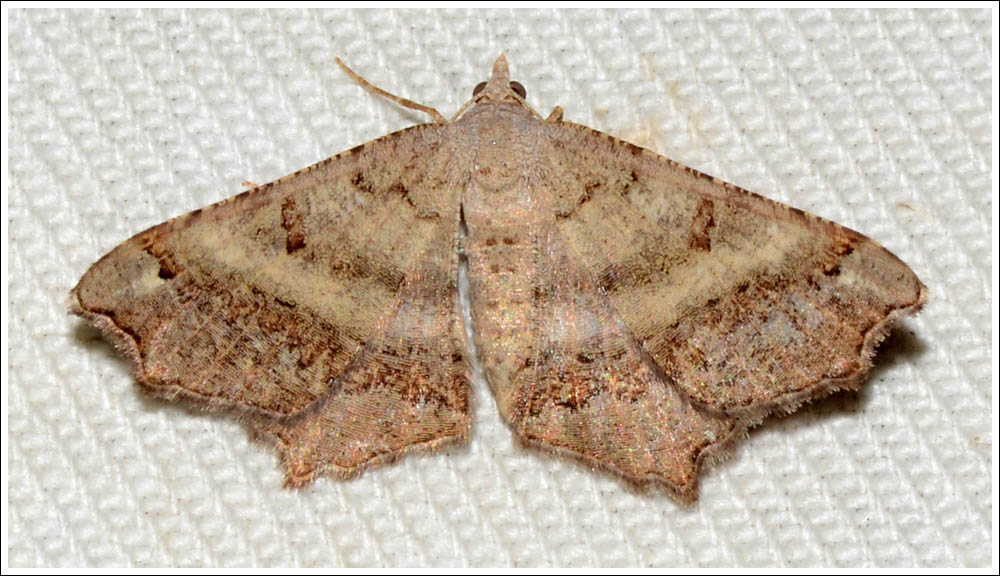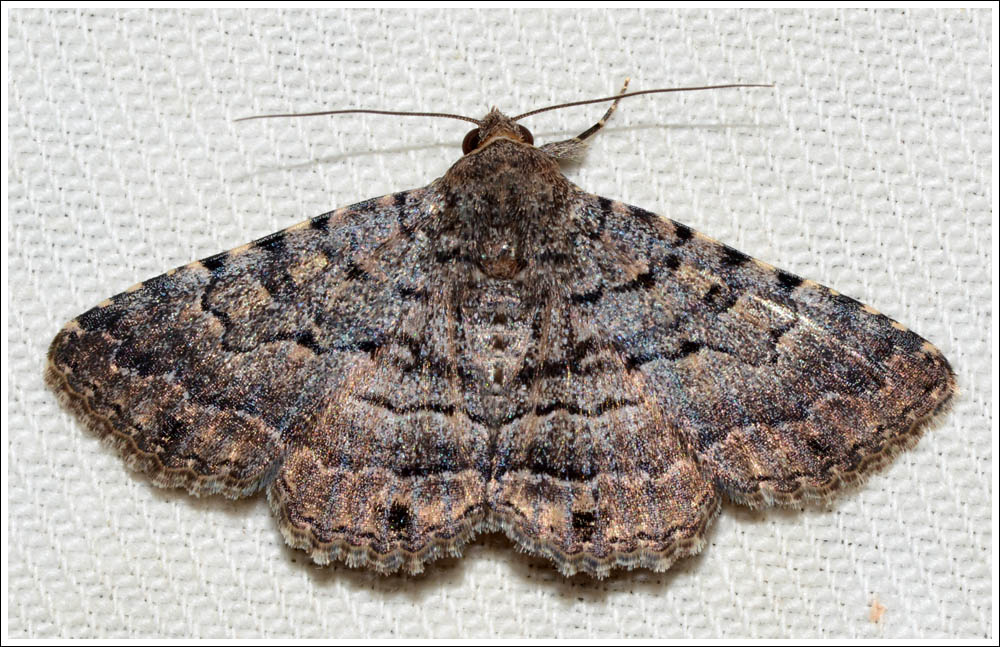
It’s now just over twenty years since the journey began, with the casual snapping of the occasional moth encountered during daylight hours. That sparked the interest that eventually led to this site being established, and perhaps it may be of interest to begin a series of posts illustrating that journey. This first post begins with a Hypodoxa muscosaria snapped on the wall in December 2005 using a Nikon 5700, and incidentally a species rarely seen since.
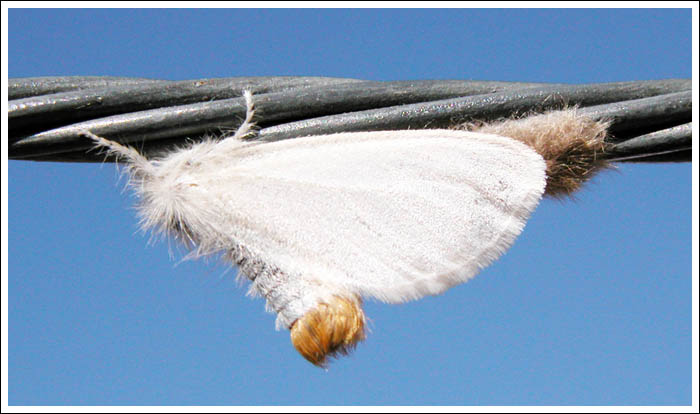
Next, a female Trichiocercus sparshalli that has just completed her egg laying on the clothes line, covering them with a thick mat of scales from her abdomen.
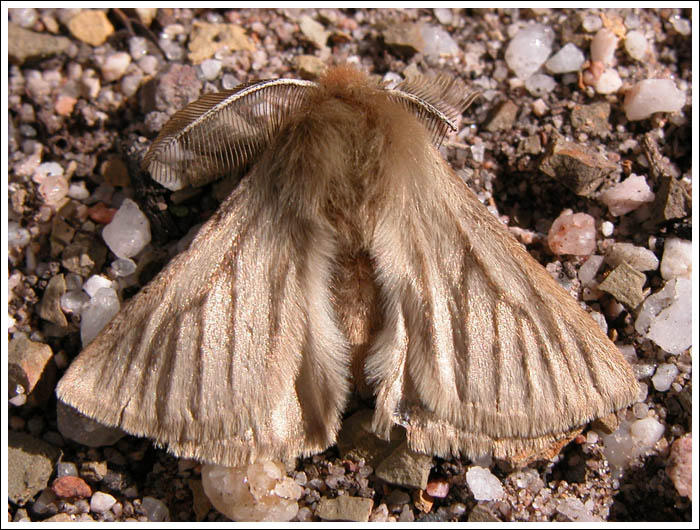
A Pterolocera species, lined group, missing half of one antenna.
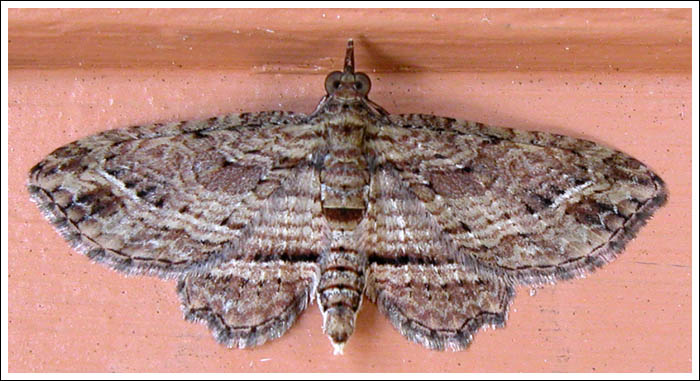
A nice specimen of a small Geometrid, Chloroclystis filata.
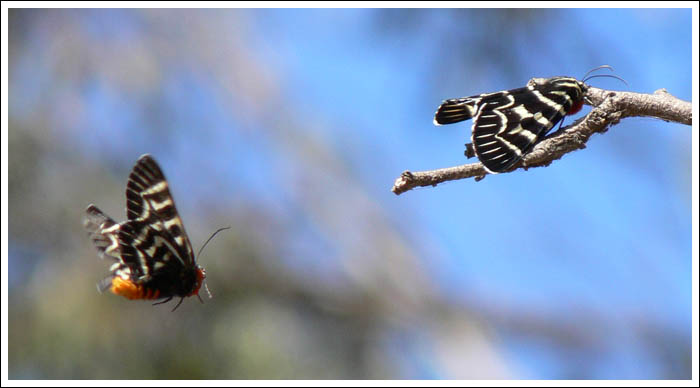
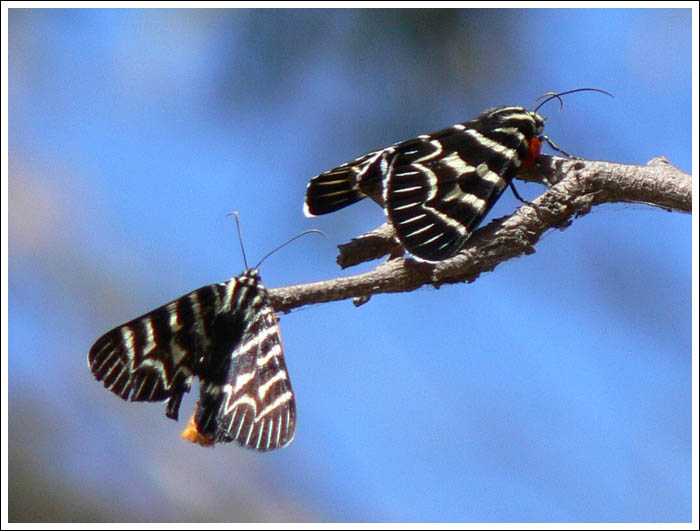
A new more capable camera, a Panasonic FZ 30, snapped a male Mistletoe Moth, Comocrus behri, in flight homing in on a female, January 2007.
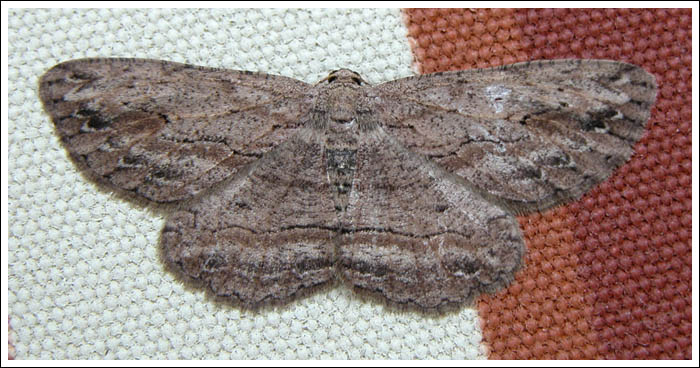
Two Geometrids to finish this post, Ectropis excursaria, October 2007,
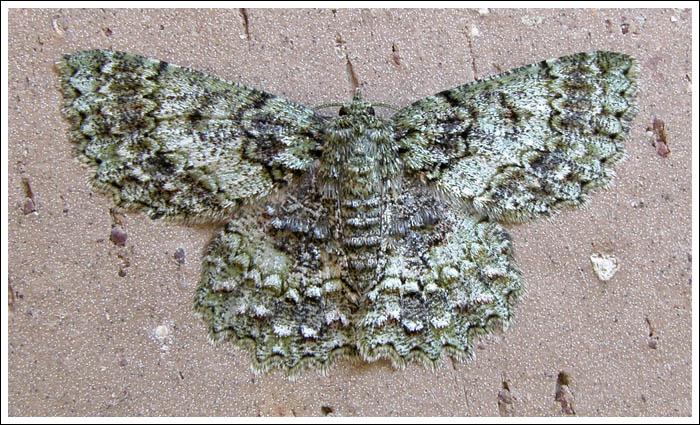
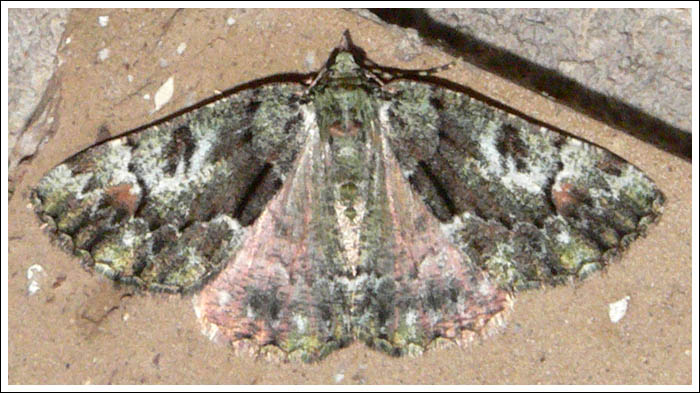
The first of many Tea-tree Emeralds, Aelochroma metarhodata showing its hind wings,
To be continued from time to time.