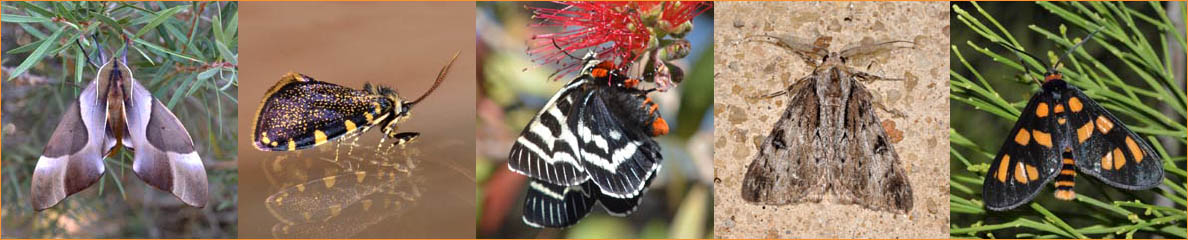
Late Summer #1

A session in the garden was interesting, even if it was made difficult by hordes of small beetles and black crickets blundering around disturbing the moths, which were a mixture of regulars and unusual. Pleasing to see in these times of invertebrate scarcity were quite a number of wasps, lacewings or antlion adults, and a longicorn beetle with spectacular antennae.
Most images will enlarge.

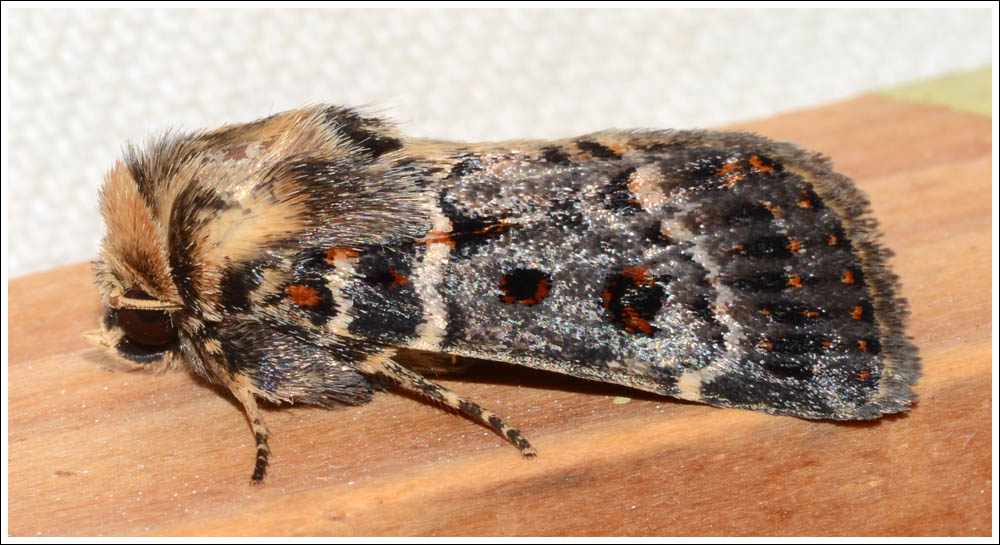
Proteuxoa sanguinipuncta.
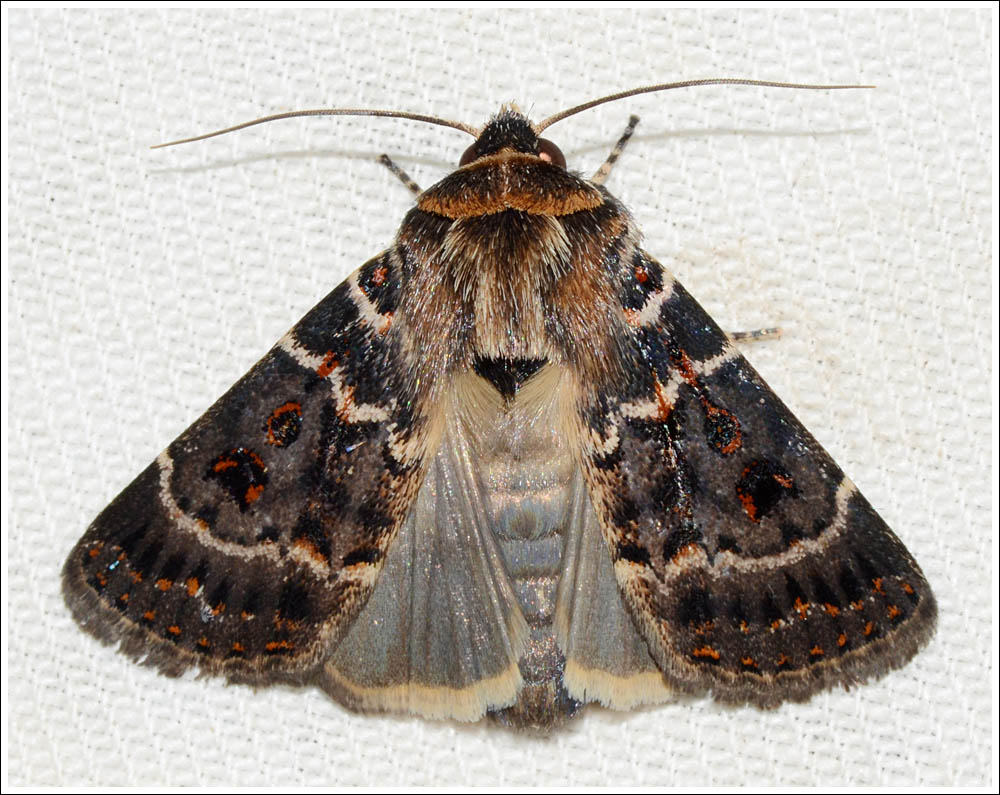
The genus Proteuxoa has many undescribed species, this is MOV Proteuxoa sp. (27)
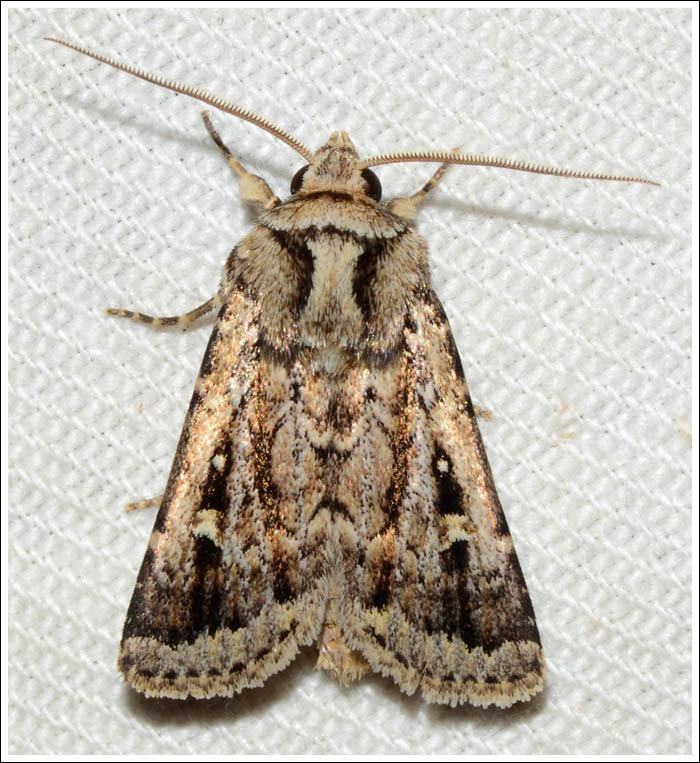
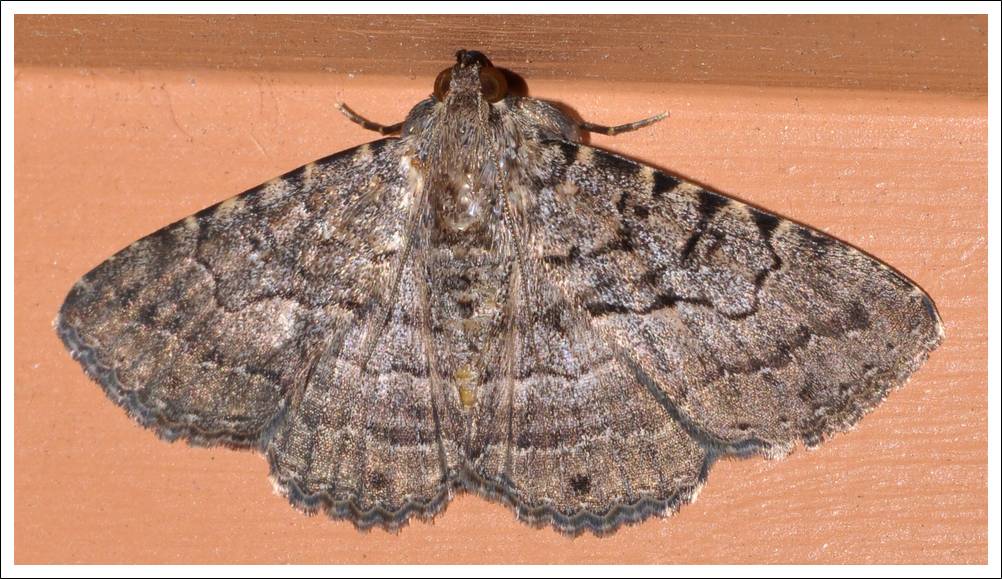
Hypobapta diffundens.
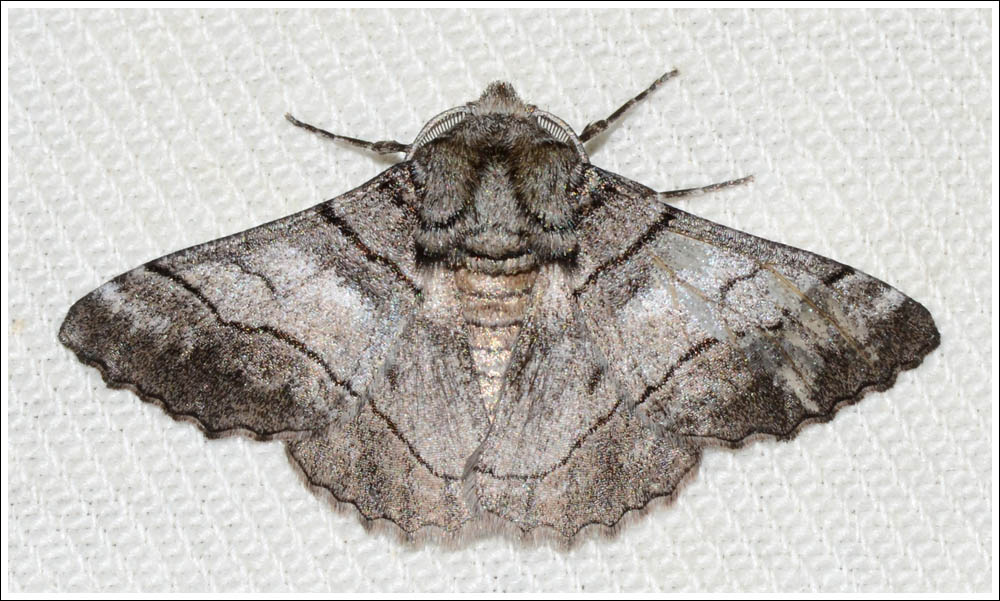
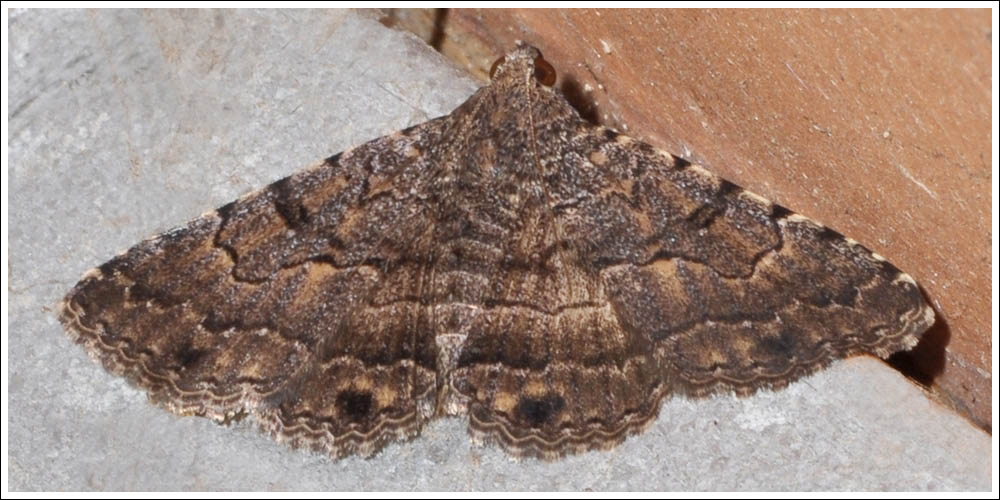
Circopetes obtusata, female.
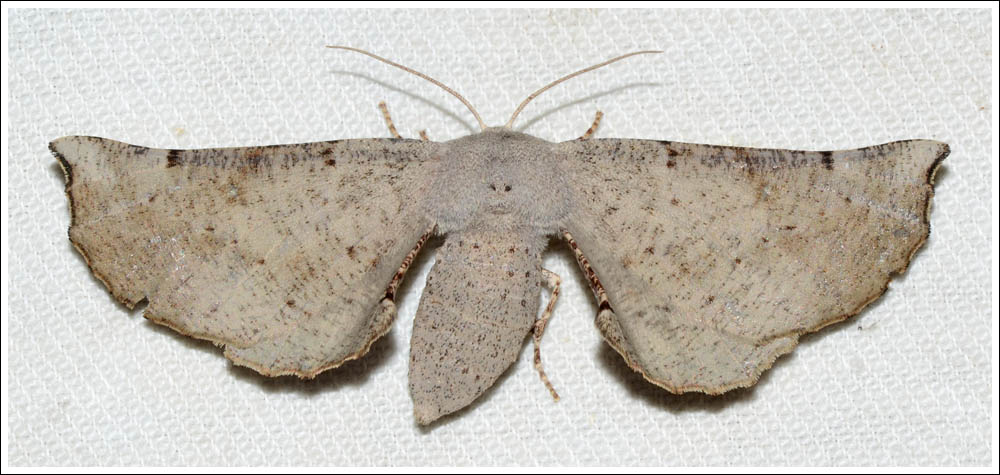
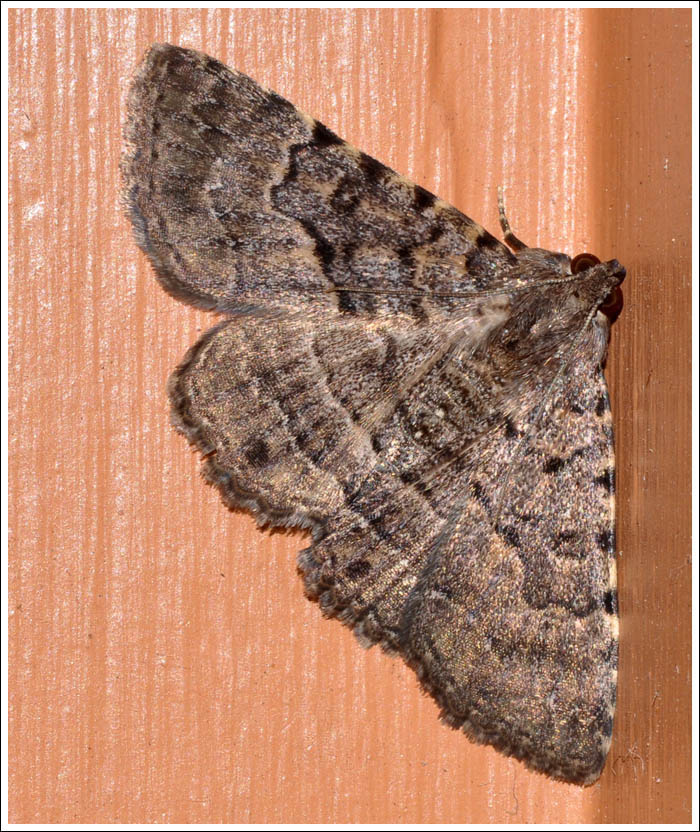
Cryphaea xylina.
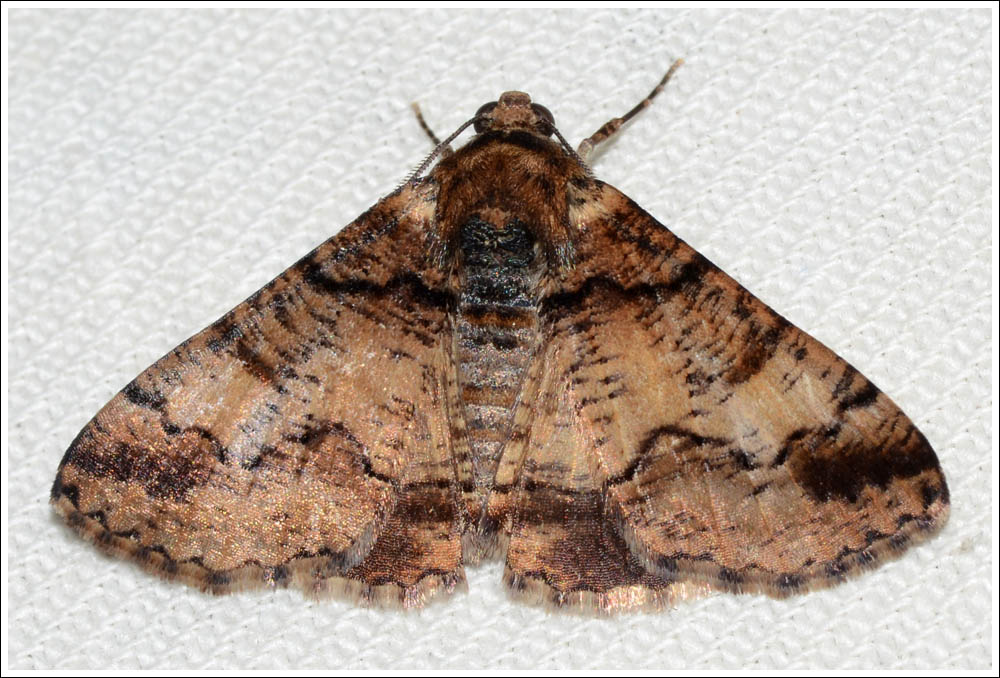
Chlorocoma carenaria.
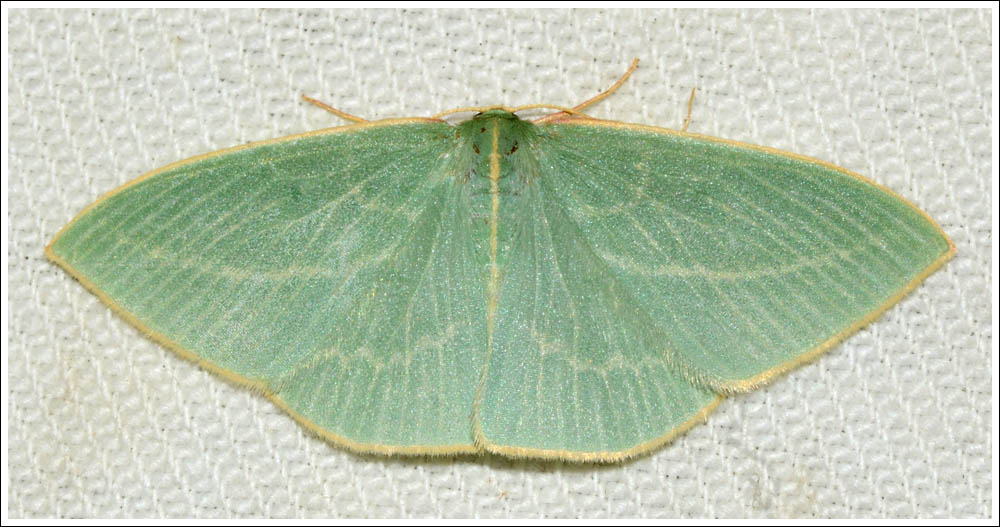
Anthela acuta.
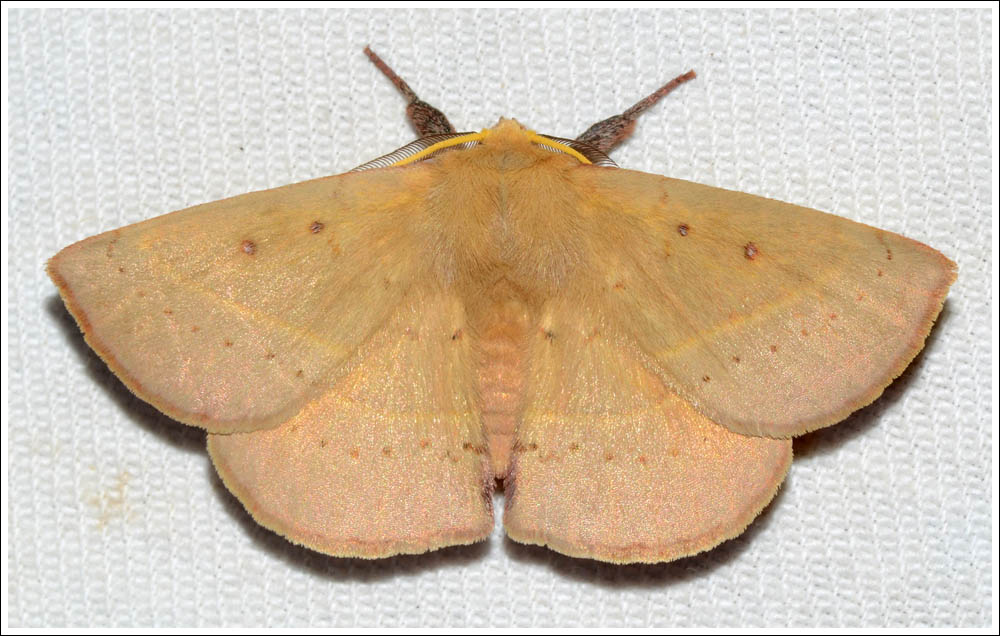
To be continued.
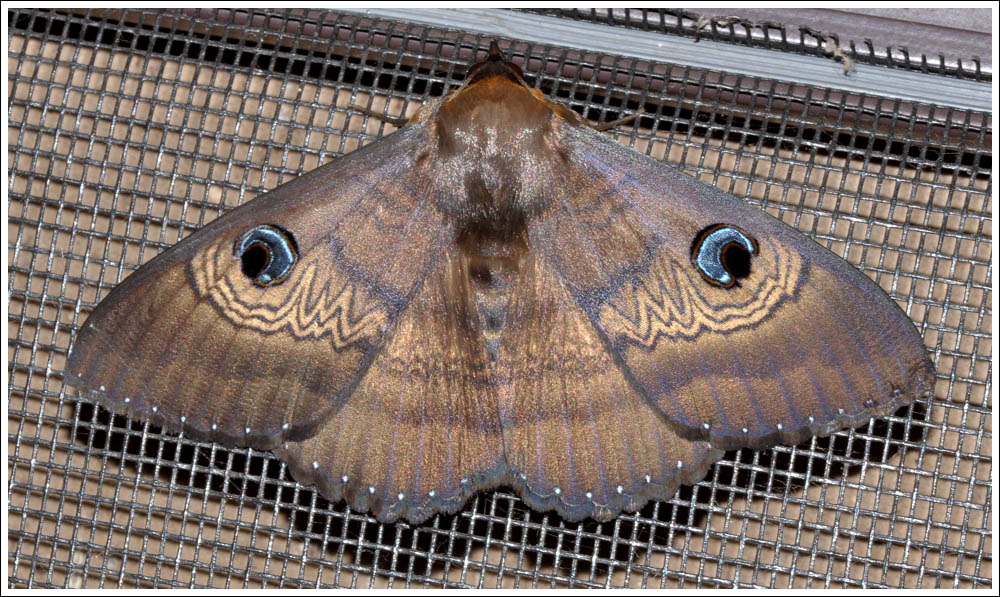
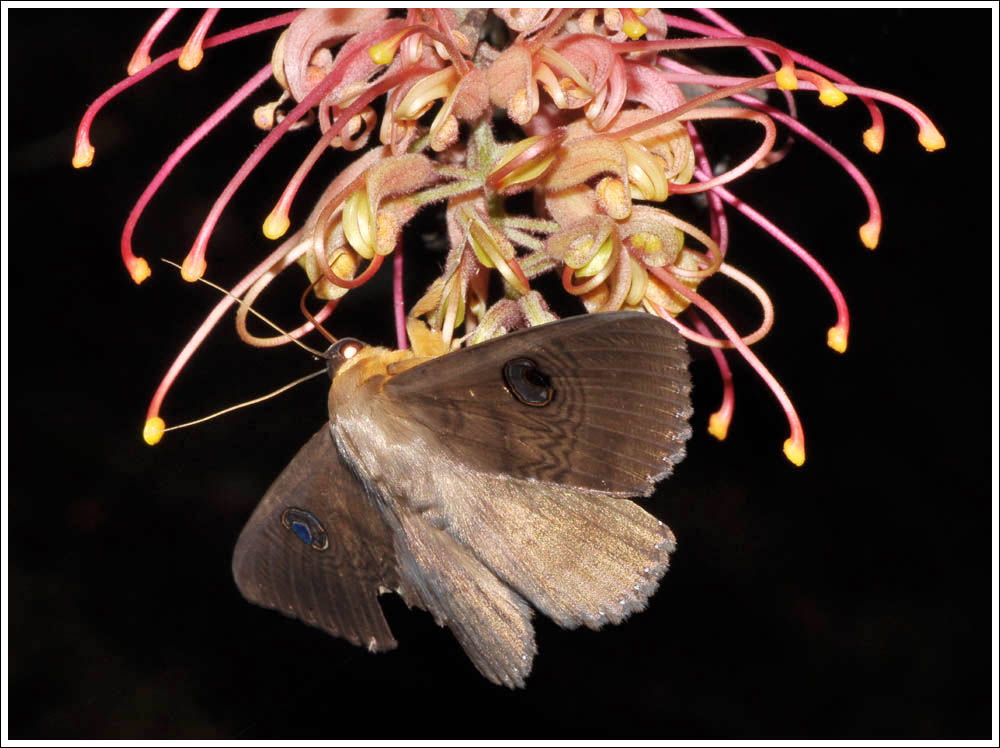
House Moths.

Many people will be familiar with the large moth often seen resting during daylight hours in secluded spots around the house, commonly known for a long time as the Old Lady Moth, although Inat has it with the more politically correct name of Southern Moon Moth. This fresh one was tucked away safely on the window flyscreen.

At night they can sometimes be seen nectaring, this one is feeding in Grevillea Coconut Ice.

Another moth that seems to regard the house as a safe place to stay during daytime is Diatenes, two very similar local species, aglossoides and gerula, no common names, but also in the Erebidae family with the Old Lady. During a 40 degree C day three were sheltering in the carport.

And one from a previous day.