Moth Photography #2

Two years on interest was growing with the first night photos, using a white sheet, and at first a fluorescent tube for light, then a mercury vapour lamp to do the job properly. The camera used was still the FZ30 which did a good job with the close-up photography but the flash synchro speed of a sixtieth of a second was less than ideal for moving moths leading to loss of sharpness. Until stated otherwise, all moths featured are from a native garden with many trees.

Epyxa subidaria is a common moth with a lot of variation, this one is richly coloured.
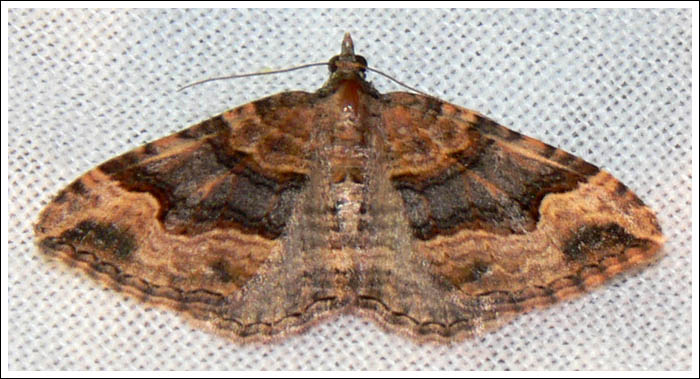
Males and females of the Dark Leaf Moth, Monoctenia smerintharia differ, male,
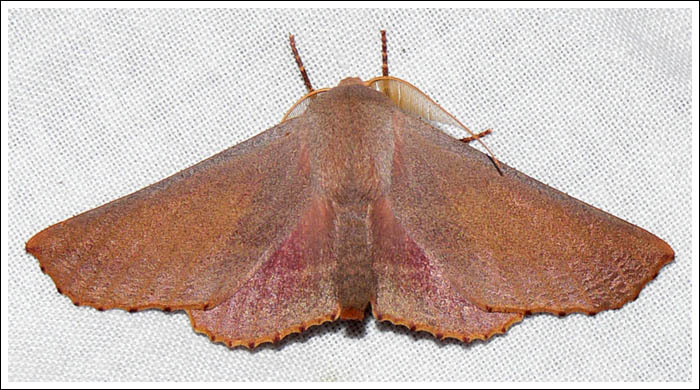
and female.

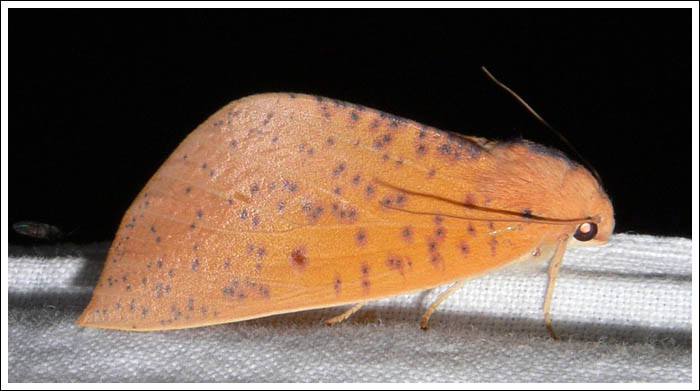
The Lemon Gum Moth, Plesanemma fucata is another moth with many variations.
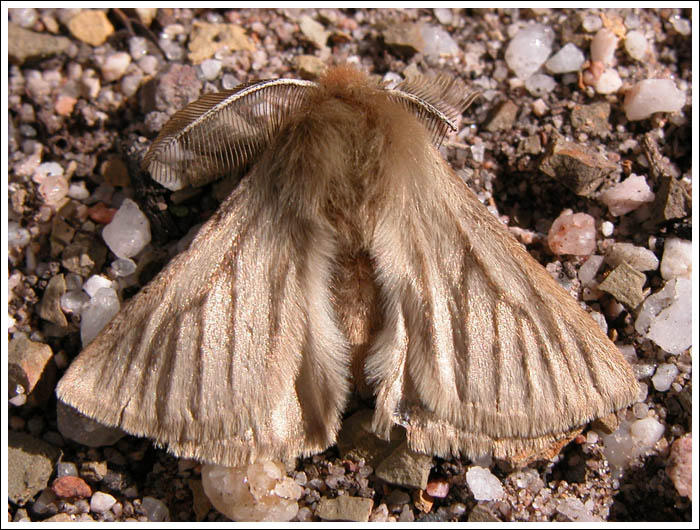
Two more shots of Pterolocera species, lined group, showing the spectacular antennae.
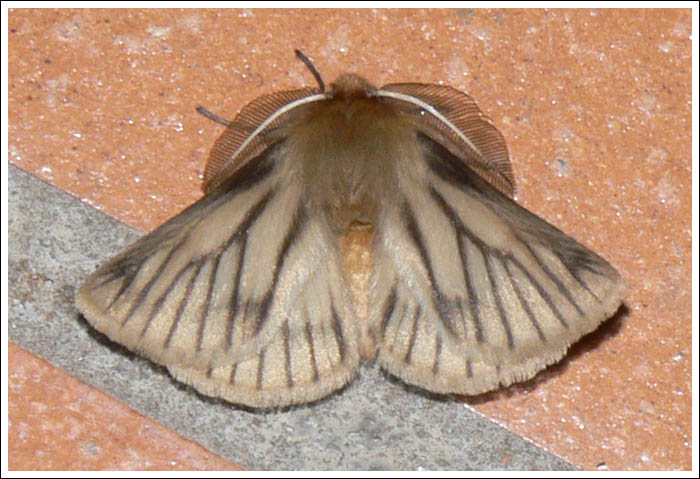
In April 2008 there was a large number of Pasture Day Moths, Apina callisto in the paddock surrounding the house. They were difficult to photograph there but one came inside and made the job easier.
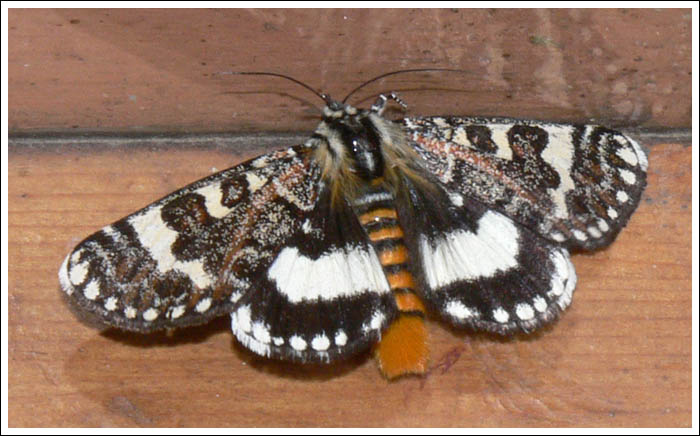
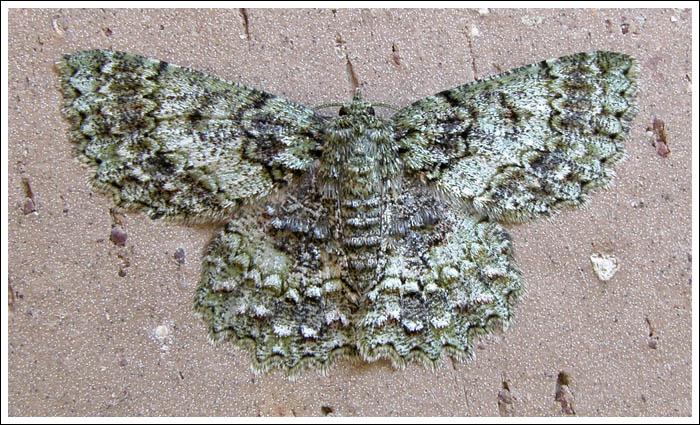
Moth Photography.

It’s now just over twenty years since the journey began, with the casual snapping of the occasional moth encountered during daylight hours. That sparked the interest that eventually led to this site being established, and perhaps it may be of interest to begin a series of posts illustrating that journey. This first post begins with a Hypodoxa muscosaria snapped on the wall in December 2005 using a Nikon 5700, and incidentally a species rarely seen since.

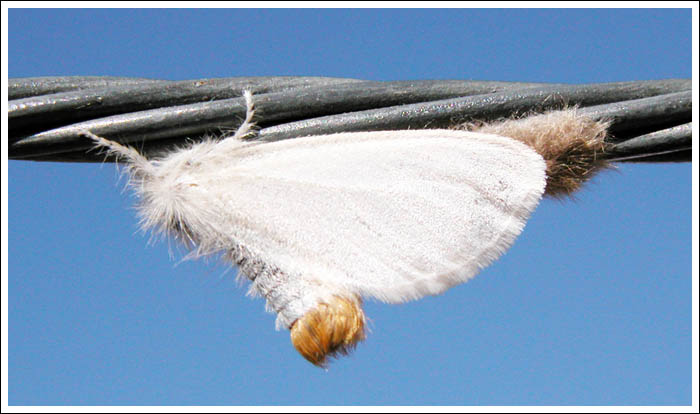
Next, a female Trichiocercus sparshalli that has just completed her egg laying on the clothes line, covering them with a thick mat of scales from her abdomen.

A Pterolocera species, lined group, missing half of one antenna.

A nice specimen of a small Geometrid, Chloroclystis filata.

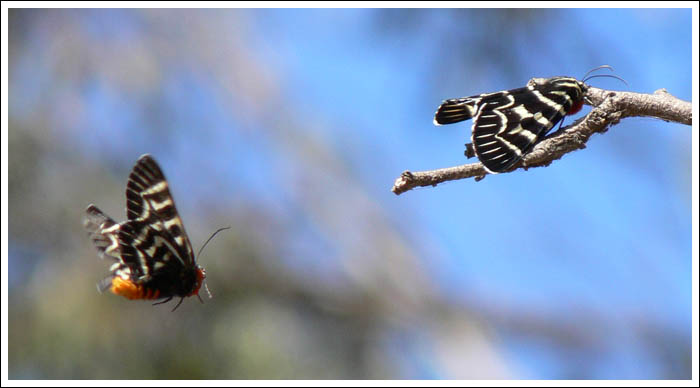
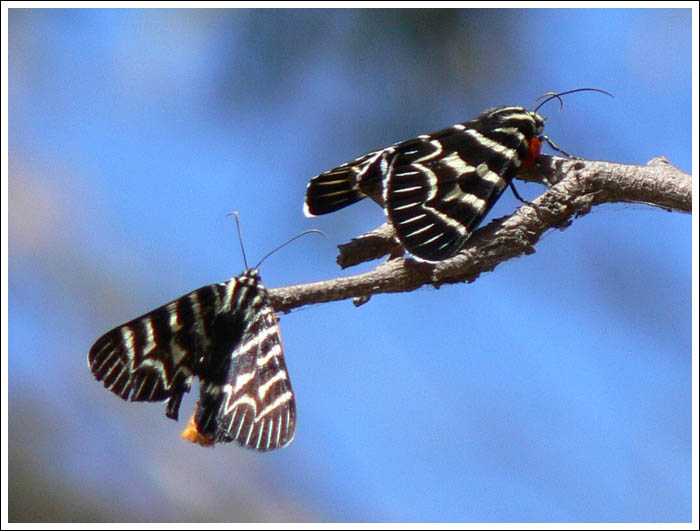
A new more capable camera, a Panasonic FZ 30, snapped a male Mistletoe Moth, Comocrus behri,  in flight homing in on a female, January 2007.

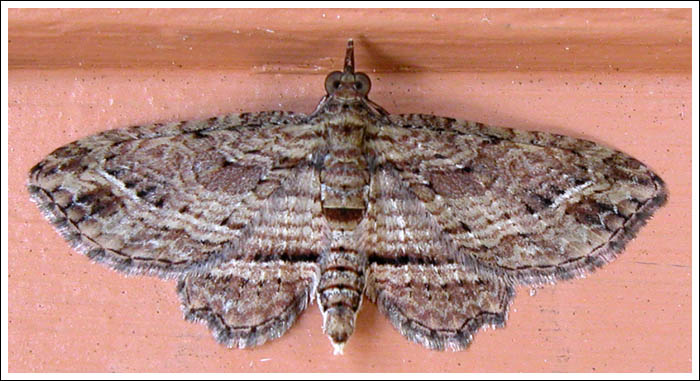
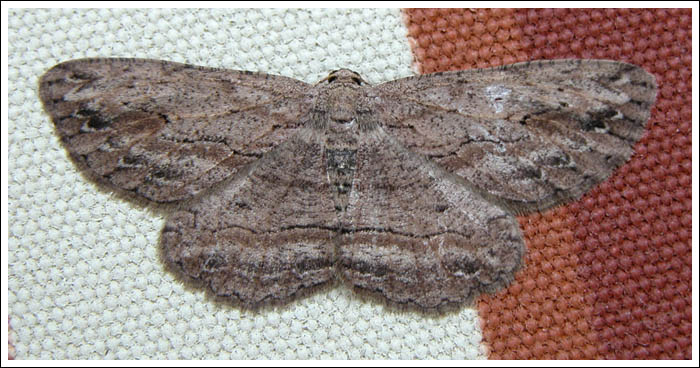
Two Geometrids to finish this post, Ectropis excursaria, October 2007,

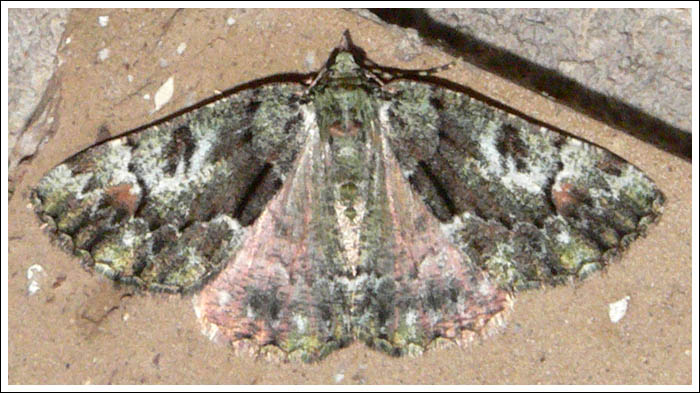
The first of many Tea-tree Emeralds, Aelochroma metarhodata showing its hind wings,

To be continued from time to time.