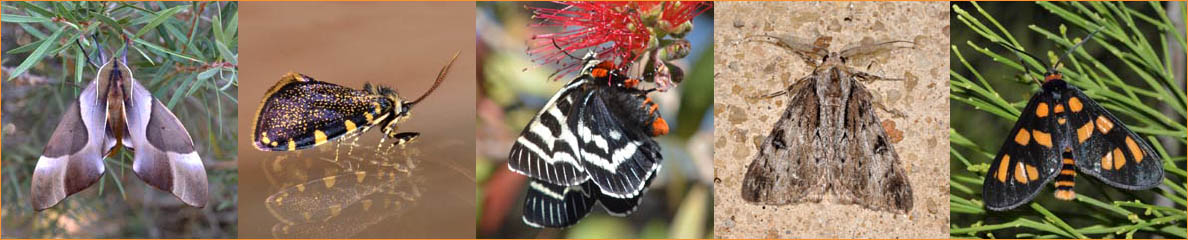
With the nights drawing in it was time after a long pause to fire up the moth light. Moths were quite sparse, mirroring the last season’s records of invertebrates generally, although black field crickets were in large numbers and made themselves a nuisance swarming to the light. Of most interest was an undescribed Cryptophasa species, the second record from the garden, previously recorded in February 2010.


The most numerous species was the first of the Hepialids to show up, Elhamma australasiae.

Asura cervicalis is a little unusual, A. lydia is more commonly to the light.

Always nice to see an emerald, Chlorocoma melocrossa.

Circopetes obtusata is a regular from the garden, a female.

A small Crambid, Hednota pleniferellis, the larvae feed on grass.

A few other species common for this time of the year came in, but numbers expected for the night were way down, a worrying trend that is being experienced world-wide.


