Mothing continued with camera gear upgraded in 2008 to a Nikon D 90 dslr with a Sigma 105 mm macro lens, the auto focus of which died causing it to be replaced by a Tokina 100 mm macro which is still in constant use on the D 90 today after fifty eight thousand shutter actuations. A small Nikon flash was also added. This updated equipment enabled more detailed photos to be taken and mothing sessions moved out from the garden to the bush, with locations from the box/ironbark country beside Lake Glenmaggie, to the foothills to the north, and many other sites in state parks, nature reserves, and areas of differing vegetation types. In the years since, many interesting records of moths occurring in Gippsland have been made, and a number of these can be seen in four previous posts,
titled “Moths, a Retrospective”, post one, post two, post three, and post four.
Over the last few years, moth and invertebrate numbers locally, in common with a world wide trend, have declined greatly, with serious consequences for ecosystems. One can only hope that this is a passing phase and that there will be a rebound in the future. To conclude this brief look back, a selection of moths photographed in a privately owned bush block that has not been burned for decades, and which can be described as a biodiversity hot spot. Areas such as this are so important as a backlog of species to enable re-population of areas adversely affected by fire. Click to enlarge.
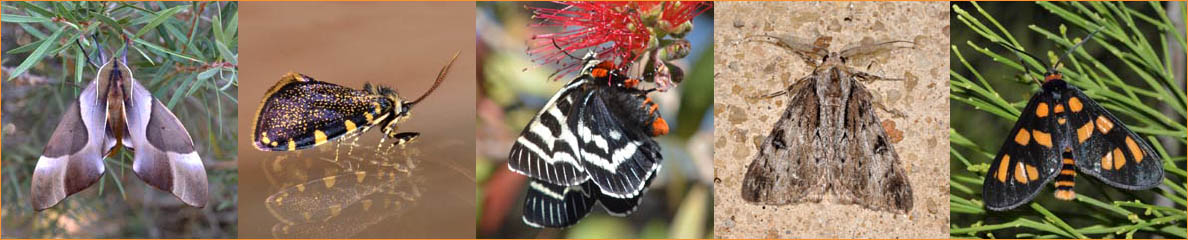
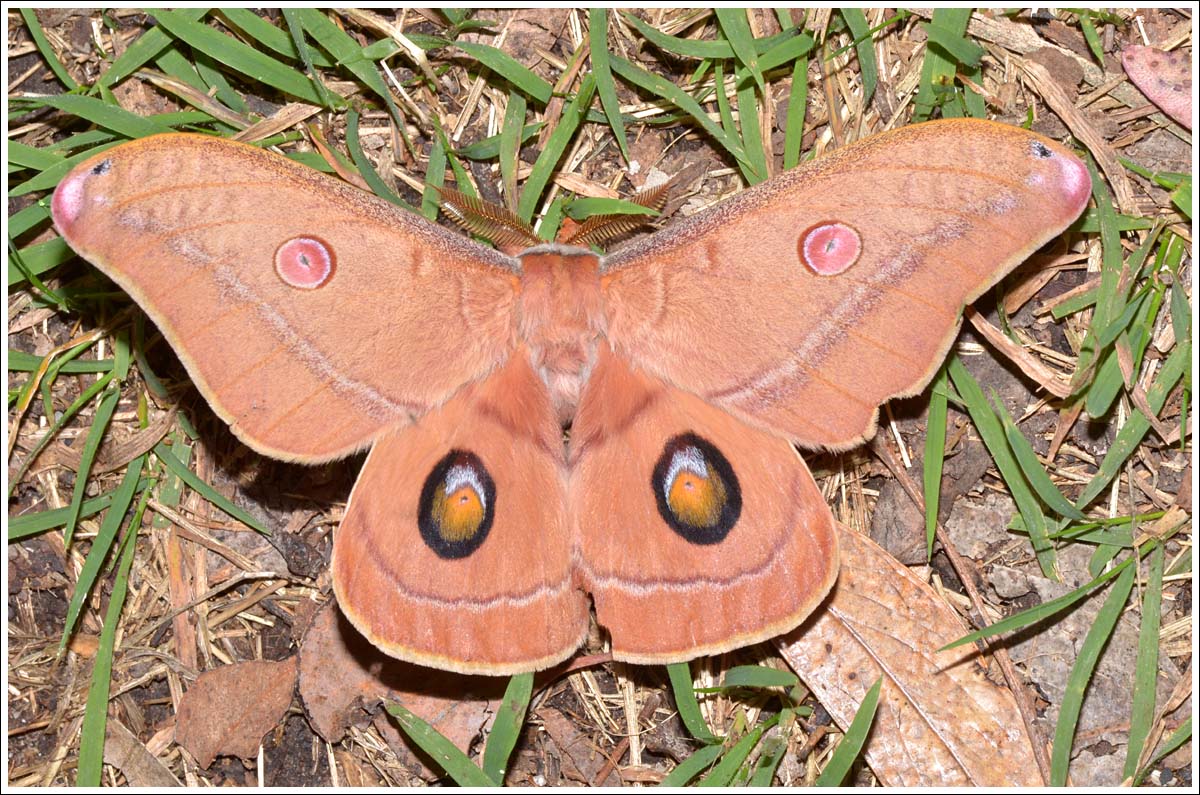
The Emperor Gum Moth, Opodiphthera eucalypti.
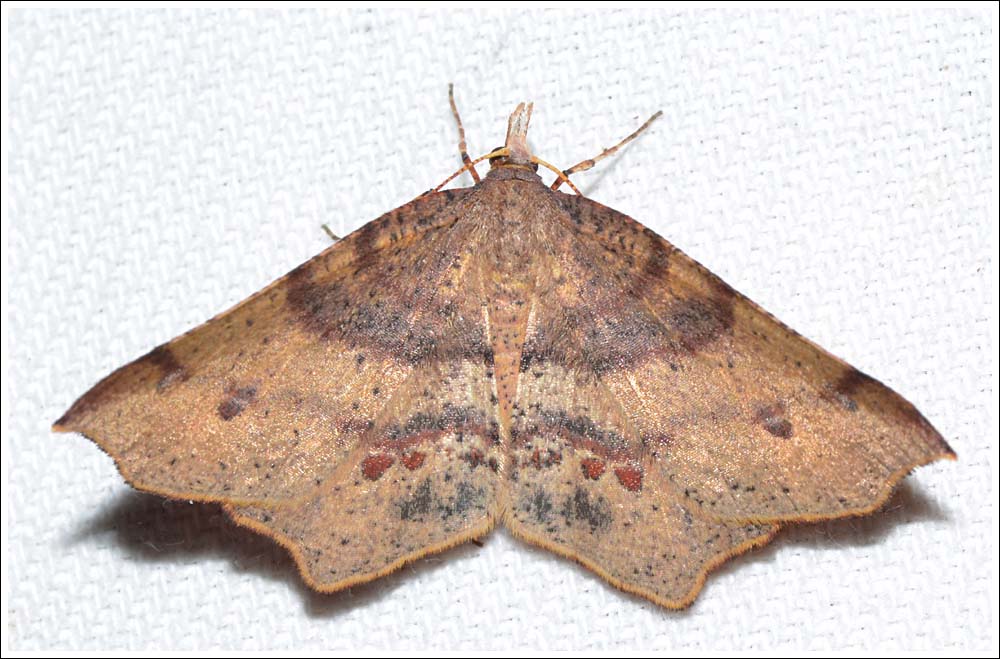
Rhinodia rostraria, a moth of variable appearance.
The Showy Geometrid, Niceteria macrocosma.
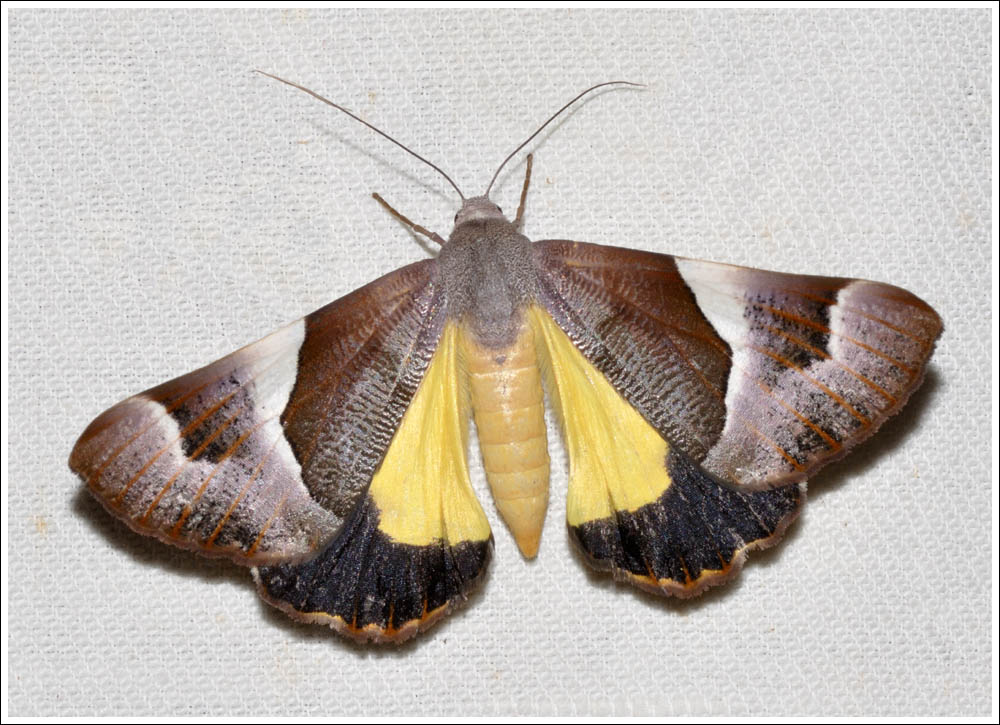
The White-patch Bark Moth, Scioglyptis lyciaria.
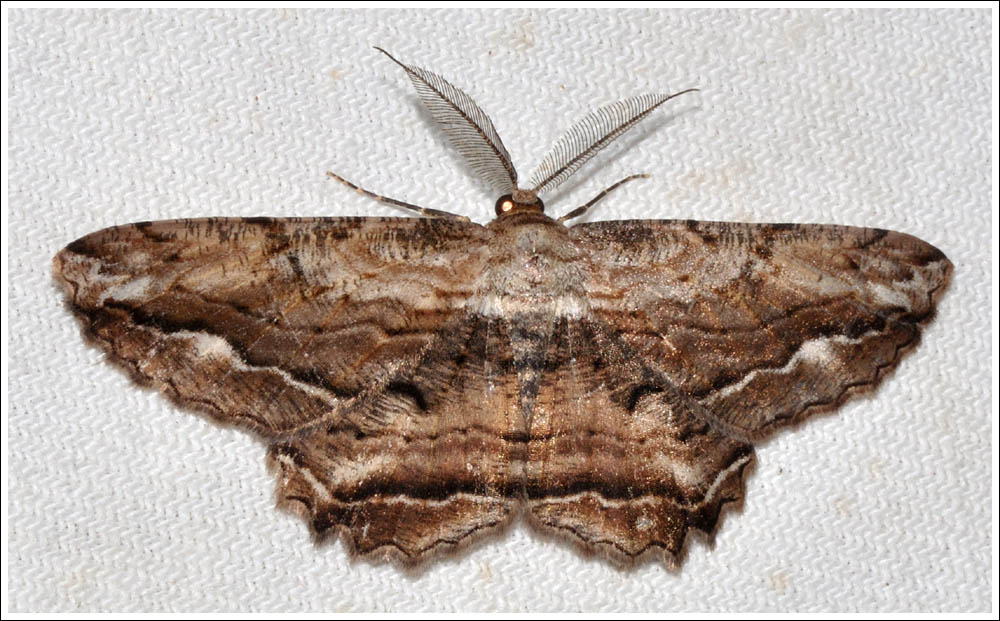
The Gum Snout Moth, Entometa apicalis.
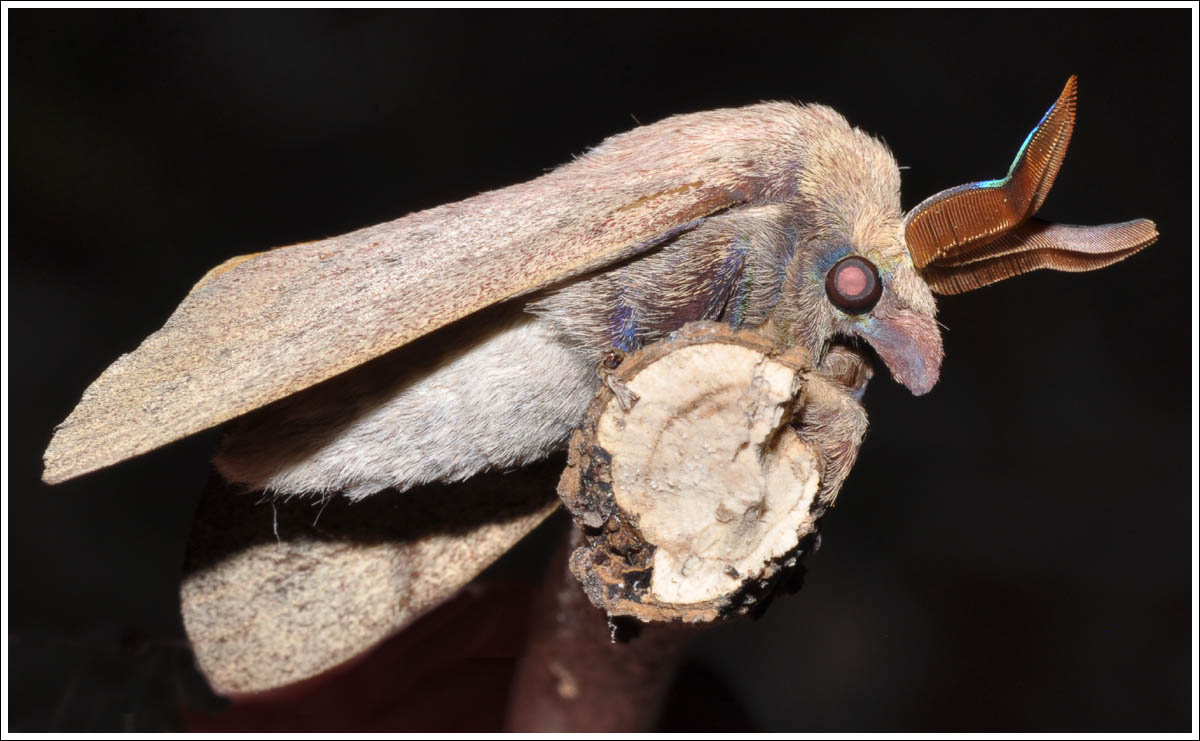
Epicoma species.
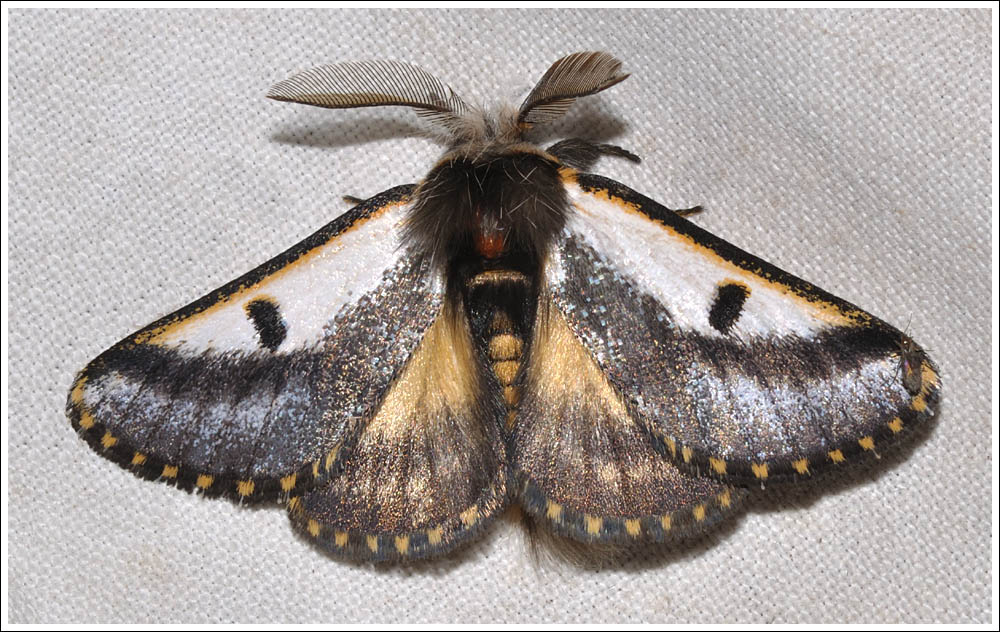
The Patched Leaf Moth, Monoctenia falernaria.
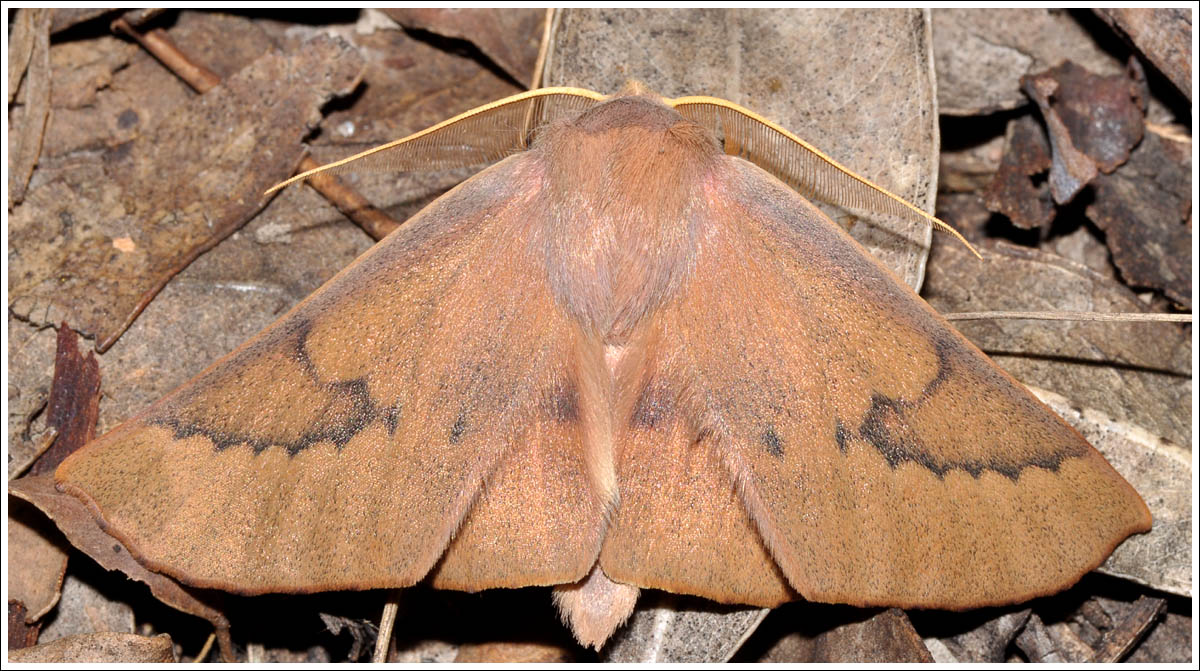
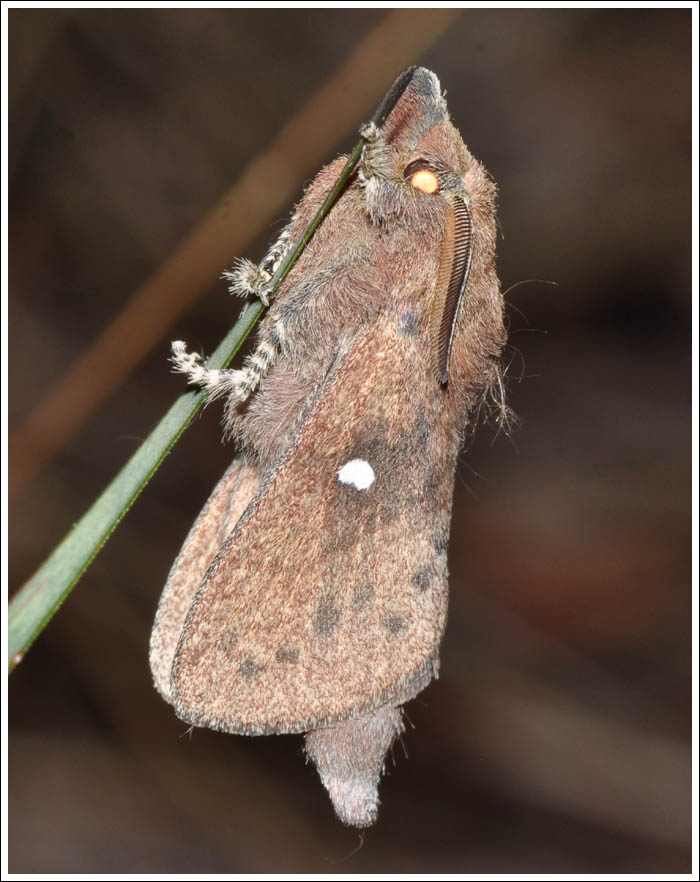
The Elusive White Spot, Opsirhina lechriodes.