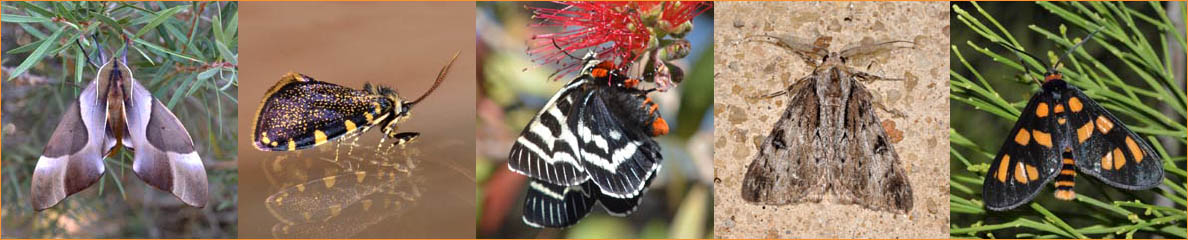
Moth Photography #3.

With the street trees being Silky Oaks, Grevillea robusta, and grevilleas and hakeas in the garden,  it is little wonder that the  Hakea Wine Moth Oenochroma vinaria has been a common moth.
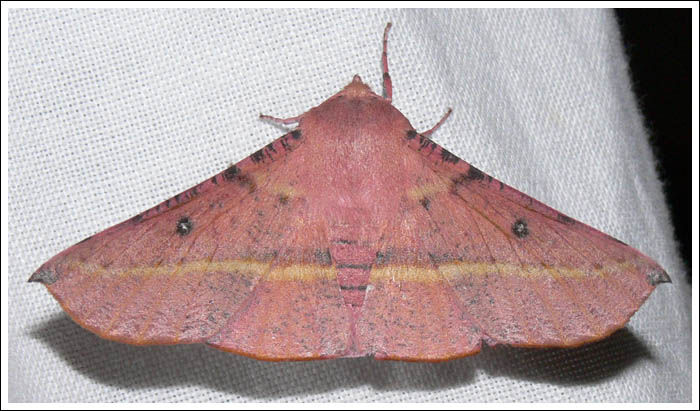
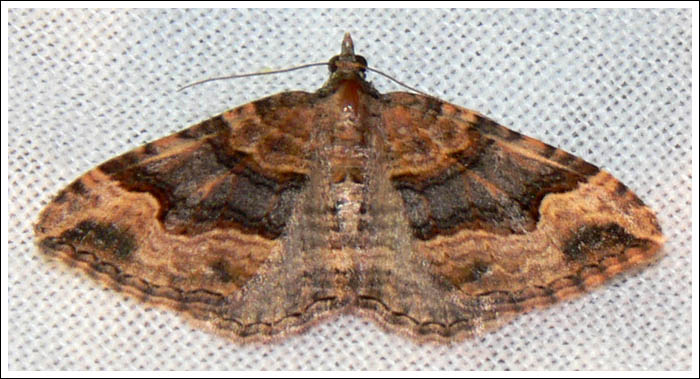
Several species of genus Ectropis live in the garden, this is Ectropis fractaria.
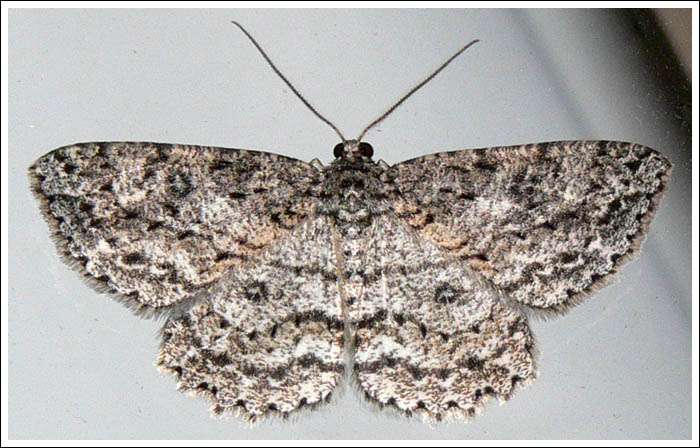
Dissomorphia australiaria is quite variable in appearance this is an extreme example.
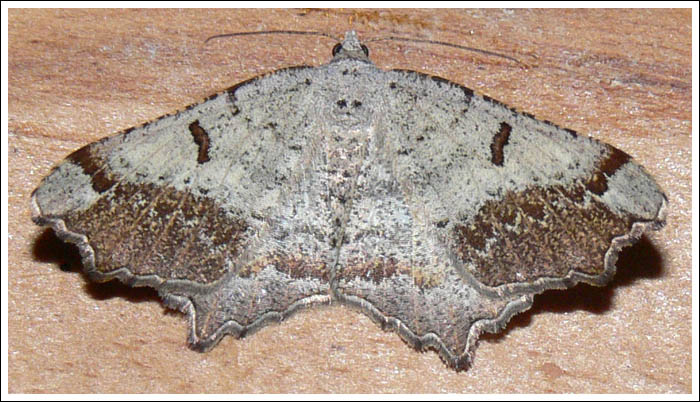
Fisera is a genus with several members undescribed, this is Fisera bellidearia.
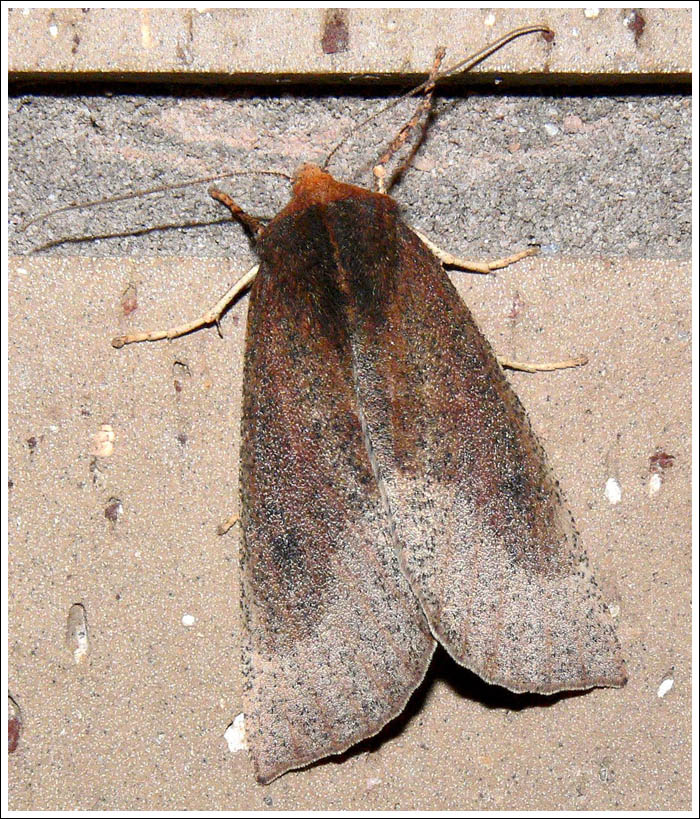
In MOV Volume four, Chlorocoma vertumnaria is shown occurring in a broad swathe north and west of Melbourne. In 2008 and 2010 several moths with the same characteristics came in from the garden.
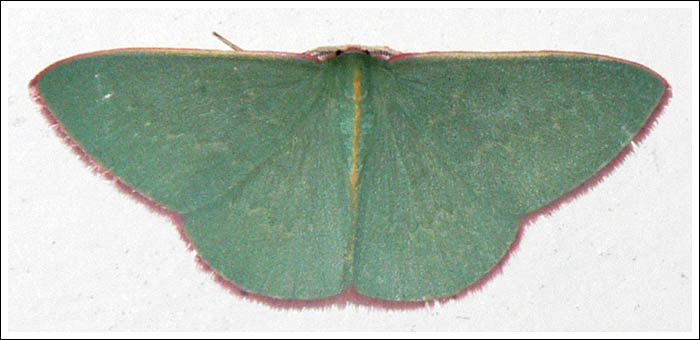
MOV 7 has four species of Cleora, sp. 1 2 3 & 4, species 2 is local, this is a patched individual.
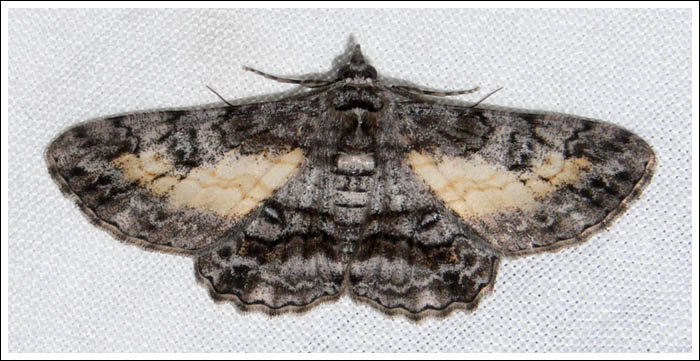
And a Vine hawk Moth, Hippotion celerio.
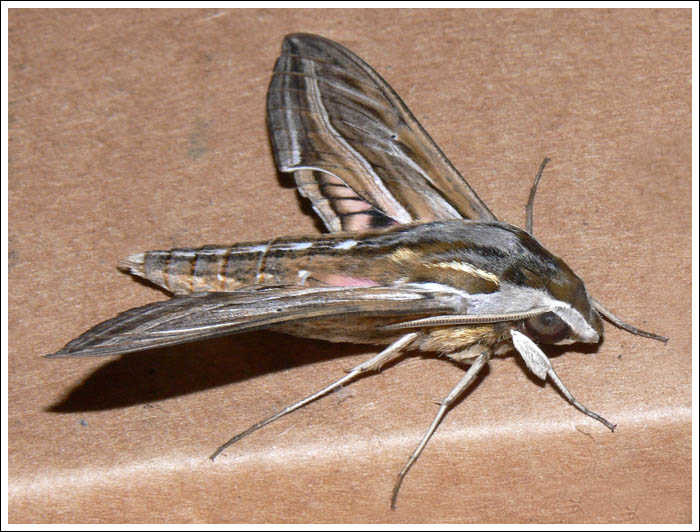
Moth Photography #2

Two years on interest was growing with the first night photos, using a white sheet, and at first a fluorescent tube for light, then a mercury vapour lamp to do the job properly. The camera used was still the FZ30 which did a good job with the close-up photography but the flash synchro speed of a sixtieth of a second was less than ideal for moving moths leading to loss of sharpness. Until stated otherwise, all moths featured are from a native garden with many trees.

Epyxa subidaria is a common moth with a lot of variation, this one is richly coloured.

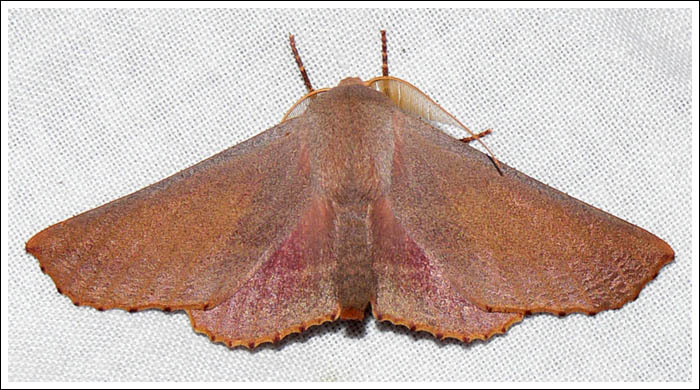
Males and females of the Dark Leaf Moth, Monoctenia smerintharia differ, male,

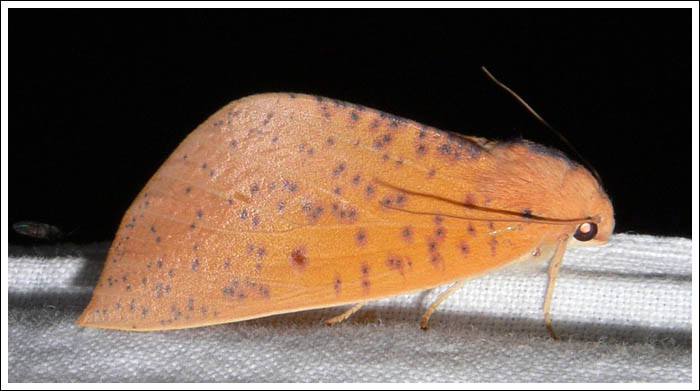
and female.

The Lemon Gum Moth, Plesanemma fucata is another moth with many variations.

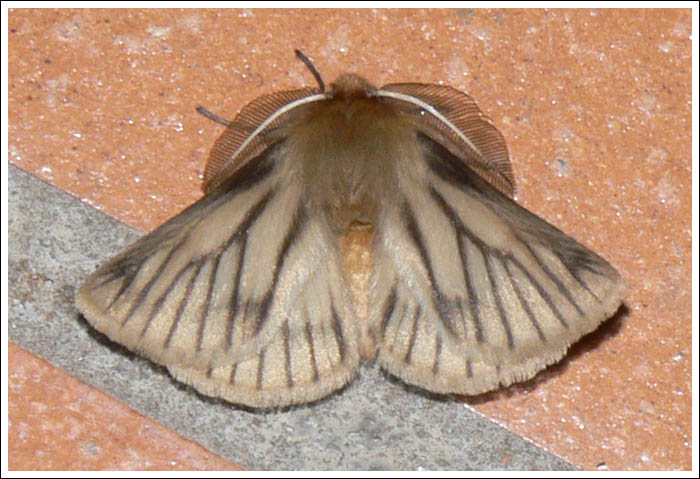
Two more shots of Pterolocera species, lined group, showing the spectacular antennae.

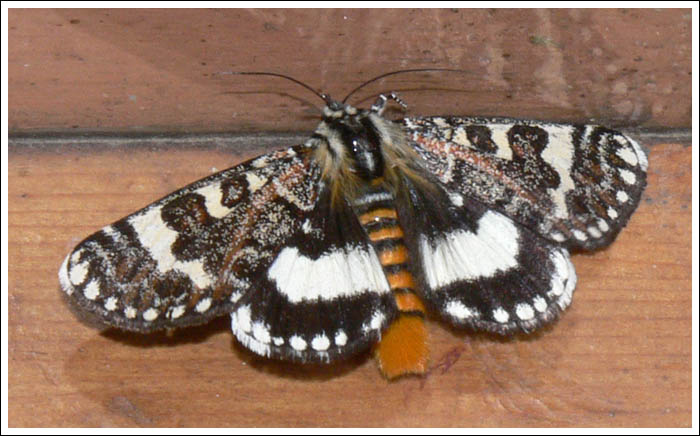
In April 2008 there was a large number of Pasture Day Moths, Apina callisto in the paddock surrounding the house. They were difficult to photograph there but one came inside and made the job easier.